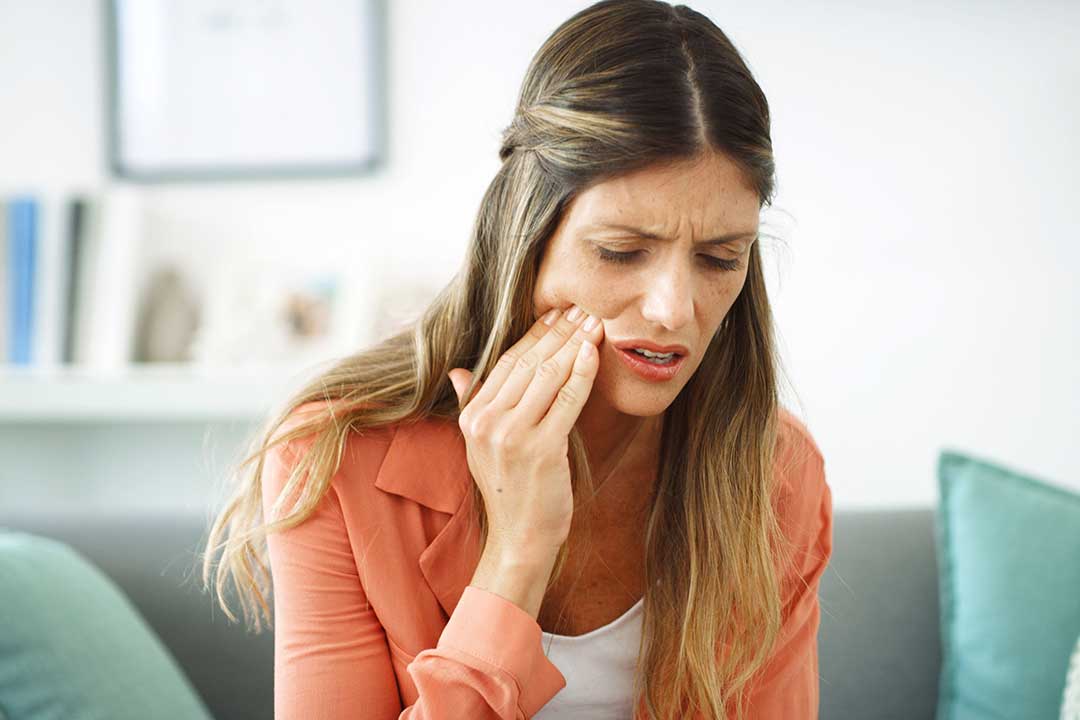
You've probably seen them. Charcoal toothpaste. Lemon juice. Strawberry pastes. Oil pulling.
These trends promise a brighter smile for the cost of a trip to the supermarket.
Here's the honest truth: none of them will actually whiten your teeth — and some can cause real damage in the process.
Why Home Hacks Fall Short
Tooth discoloration comes in two types. Surface stains sit on the outside of your enamel — caused by coffee, tea, wine, or tobacco. Deeper discoloration lives inside the tooth itself, influenced by aging, genetics, and some medications.
Real whitening requires a bleaching agent — typically hydrogen peroxide or carbamide peroxide — that gets inside the enamel and breaks down stain molecules from within.
Most DIY hacks can only touch the surface at best. None of them contain the chemistry to actually change the shade of your teeth.
Activated Charcoal
Charcoal's dramatic black color and "natural detox" branding made it a social media sensation. But clinical trials tell a different story.
A 2024 randomized controlled trial found that charcoal products delivered a result researchers described as "minor and unsatisfactory" compared to standard peroxide-based whitening — which produced optimal results with significantly higher patient satisfaction.
The bigger concern is the abrasiveness. Many charcoal toothpastes are highly abrasive — some testing at nearly twice the level considered safe for daily use. Over time, that wears down enamel, the protective outer layer of your teeth. Once enamel is gone, it doesn't grow back. Most charcoal products also don't contain fluoride, which is what actually protects your teeth from decay. Some formulations even absorb fluoride, neutralizing it before it can do its job.
Any brightness you notice is likely just surface cleaning — the same result you'd get from any regular toothpaste.
Baking Soda
Baking soda can remove light surface stains from coffee, tea, and tobacco. That part is true — and it's why you'll find it listed as an ingredient in many commercial toothpastes.
But removing a surface stain is cleaning. It is not whitening.
Whitening means chemically changing the actual shade of your tooth — getting inside the enamel to break down the compounds causing discoloration. Baking soda cannot do that. It has no bleaching chemistry. Your tooth ends up cleaner, but the same shade it was before.
On top of that, using raw baking soda straight from the box — rather than a properly formulated toothpaste — carries real risk. Without controlled concentration and fluoride, frequent use can roughen your enamel and increase sensitivity over time.
So if you're hoping for a noticeably brighter smile, baking soda won't get you there. And if you're using it as a substitute for proper toothpaste, you may be doing more harm than good.
Lemon Juice and Strawberries
These two show up constantly in "natural whitening" articles, often paired together as a paste. The idea is that the acids in both fruits — citric acid in lemon, malic acid in strawberries — act as natural bleaching agents. They do have a very mild brightening effect at the surface. The problem is that these same acids erode enamel.
Lemon juice has a pH of around 2.3 — that's roughly as acidic as vinegar. A study published in the National Library of Medicine found that lemon juice erodes both enamel and the softer dentin layer beneath it. Separate research testing common liquids found lemon juice produced the highest enamel mass loss of all beverages tested.
Strawberries carry similar risks. Research has shown that repeated application reduces enamel hardness. The American Dental Association specifically advises against using acidic fruits for whitening — and against combining them with abrasives like baking soda, which makes the damage worse.
The temporary brightness some people notice? It's most likely dehydration of the enamel surface — an effect that reverses within a few hours. You're trading enamel for an illusion.
Oil Pulling
Oil pulling — swishing coconut or sesame oil around your mouth for up to 20 minutes — is an ancient Ayurvedic practice that has found a new audience online. There is some evidence that it may help reduce plaque and support gum health. But whitening? The American Dental Association is unequivocal: no reliable scientific studies show that oil pulling whitens teeth.
Oil simply doesn't contain any bleaching agent. It can't get inside the enamel to break down stain molecules. No matter how long you swish, the chemistry isn't there.
What Actually Works
Professional whitening uses hydrogen peroxide or carbamide peroxide — agents that have been studied for decades and are backed by a strong body of clinical evidence. They work by penetrating the enamel and chemically breaking down the compounds that cause discoloration. That's a genuine shade change, not surface cleaning.
In-office whitening, such as Zoom, delivers faster results under professional supervision. Dentist-prescribed take-home trays use lower concentrations over a few weeks. Both produce real results — the kind no kitchen ingredient can replicate.
If you're unsure which option suits you, a consultation is the right first step. The type of staining you have, the health of your enamel, and your overall dental picture all affect what will work best.
At Drs. Nicolas & Asp Centers, our dentists take that time with you — no guesswork, no trends, just a treatment plan that's right for your teeth.
A professional clean or Guided Biofilm Therapy, by one of our dental hygienists is also worth considering before any whitening treatment. Removing built-up surface staining first means the bleaching agent works on the actual tooth — not a layer of residue on top of it.
Book a consultation at any of our four Dubai locations — Jumeirah, Marina Walk, Springs Souk, and Uptown Mirdif or or call us at 04 394 7777.
Frequently Asked Questions
Some strips contain low concentrations of hydrogen peroxide and can reduce mild surface staining — but the concentrations are a fraction of what professional systems use, and the results reflect that.
Professional in-office whitening and dentist-prescribed take-home systems are backed by decades of clinical trials, including a 2018 Cochrane review confirming the effectiveness of peroxide-based treatments. More importantly, they're matched to your specific type of discoloration — which is what actually determines whether whitening works.
Enamel is the hard outer shell that protects your teeth. Unlike bone, it has no living cells — so once it's worn down, your body can't rebuild it. Thinner enamel exposes the darker dentin beneath, increases sensitivity, and leaves teeth more vulnerable to decay. It's exactly why the abrasiveness and acidity of many DIY hacks are a real concern.
No. Whitening agents only affect natural tooth enamel. Crowns, veneers, and composite fillings won't change shade. If you have visible restorations, talk to your dentist before whitening — the contrast between whitened teeth and unchanged restorations can become noticeable.
Yes — both in-office and at-home options are available. For faster results, Philips Zoom whitening is performed in clinic by our dental hygienists in a single visit. For a more gradual approach, we provide custom-fitted take-home whitening trays with a prescribed whitening gel you use in your own time.
A consultation with your dentist is the right starting point. Your teeth need to be dentally fit before whitening begins — active gum disease, untreated decay, compromised enamel, or exposed root surfaces don't just affect results, they can make the process genuinely painful. Whitening agents penetrate more aggressively through weakened enamel, and root surfaces — which lack enamel's protection entirely — are especially vulnerable. On inflamed gums, the reaction can be worse still.
Learn more about your teeth whitening options, or book a consultation online, or call 04 394 7777.