Book Your Appointment
New Patient
Existing Patient
Full Name *
Mobile *
+971
Search
    Email *
    Treatment *
    Other treatment? Please specify. *
    Preferred Date
    Preferred Time
    Preferred Center *
    Upload your Insurance Emirates ID (optional)
    Browse Files No file chosen
    Insurance Details & Notes
    utm_source
    utm_medium
    utm_campaign
    utm_id
    Referrer URL
    Send an Enquiry
    Full Name *
    Mobile *
    +971
    Search
      Email *
      Enquiry Type *
      Document Type *
      EID Front *
      Browse Files No file chosen
      EID Back *
      Browse Files No file chosen
      Insurance Front *
      Browse Files No file chosen
      Insurance Back *
      Browse Files No file chosen
      Passport *
      Browse Files No file chosen
      Document to request *
      Center *
      Enquiry *
      Referrer URL
      utm_source
      utm_medium
      utm_campaign
      utm_id

      What is Sleep Apnea?


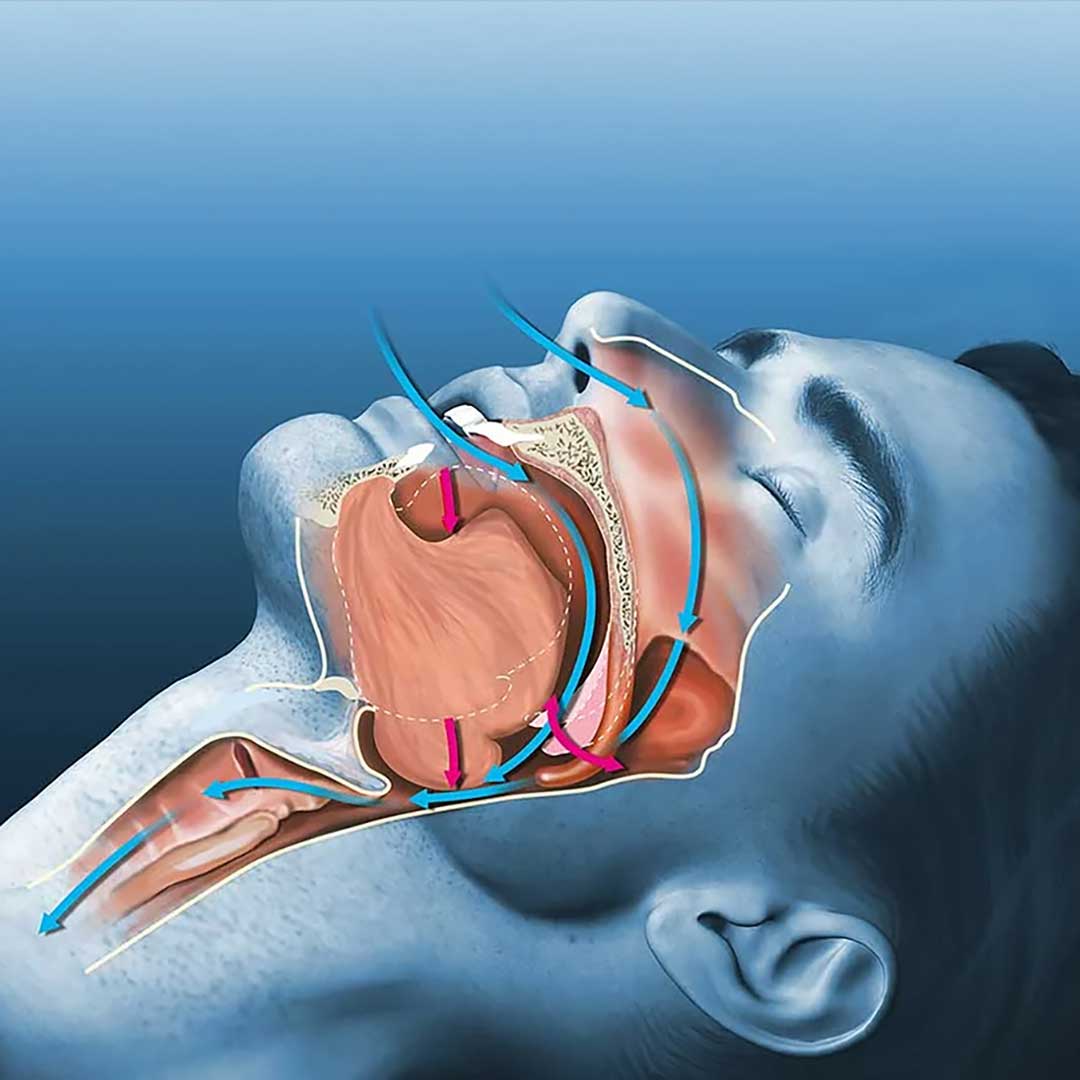
      Sleep apnea is a condition in which breathing repeatedly stops and starts during sleep. The most common form — obstructive sleep apnea (OSA) — occurs when the muscles at the back of the throat relax too much, causing the airway to narrow or collapse.

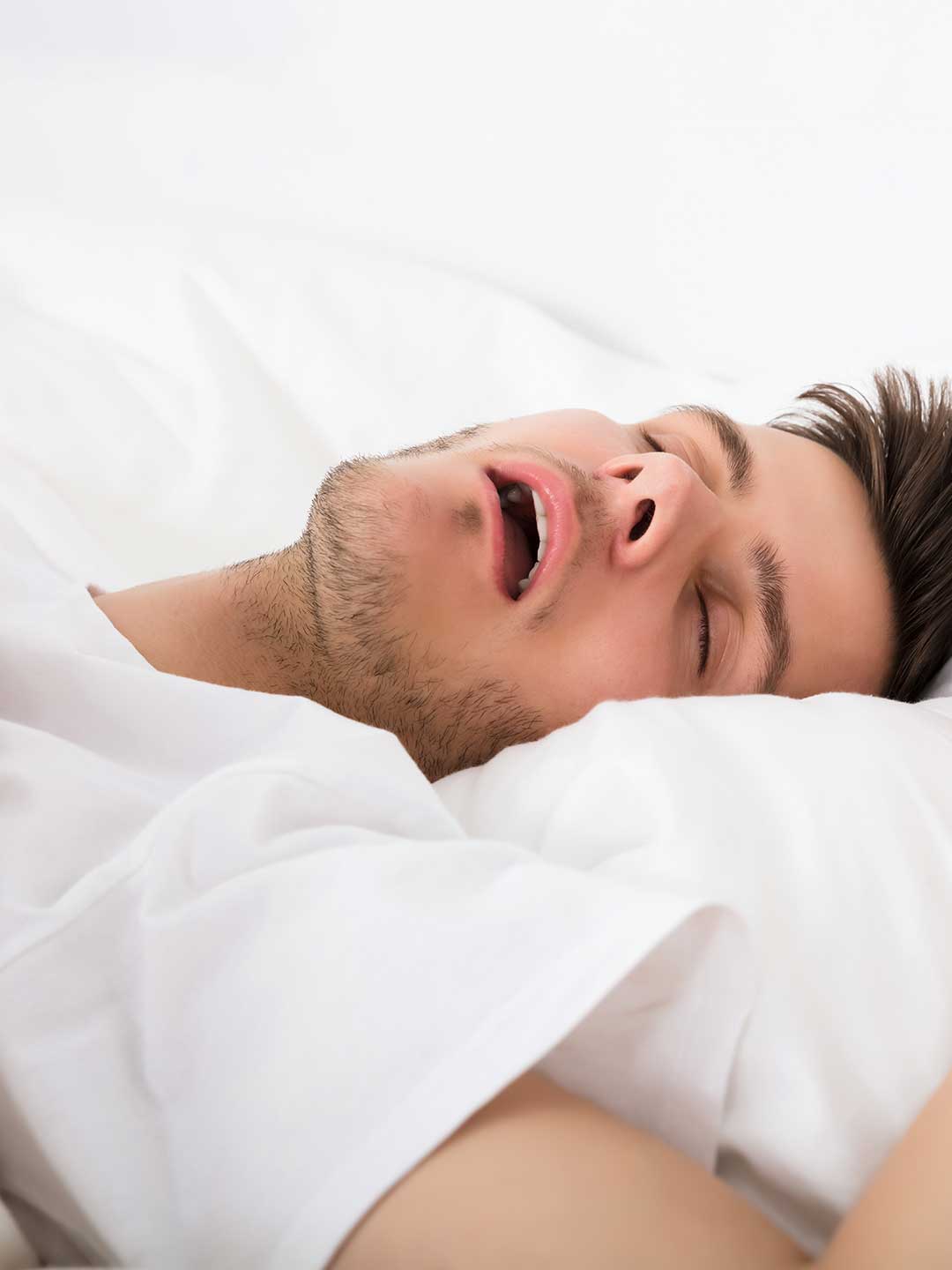
      The result is disrupted sleep, reduced oxygen levels, and loud snoring. Left unmanaged, it is associated with serious health consequences including high blood pressure, cardiovascular disease, and chronic daytime fatigue.

      Your dentist may be among the first to notice signs associated with sleep-disordered breathing — worn tooth surfaces from grinding, jaw tension, or a restricted airway. If symptoms suggest a concern, your dentist can guide you toward the right assessment. Formal diagnosis requires a sleep study conducted or ordered by a sleep medicine physician.

      Sleep Apnea Treatment
      Sleep Apnea Treatment

      Signs and Symptoms


      Many patients with sleep apnea are unaware of the condition until a partner notices. Common signs include:

      If you recognize several of these signs, speak to your doctor or dentist. A formal sleep assessment will confirm whether sleep apnea is present and guide the most appropriate treatment.

      How Dentists Help with Sleep Apnea


      Your dentist is often one of the first clinicians to spot the signs of sleep-disordered breathing — through worn tooth surfaces, jaw tension, or a patient reporting chronic fatigue and morning headaches.

      At Drs. Nicolas & Asp Centers, your general dentist will assess your symptoms and, where appropriate, refer you to the right specialist within our team. Treatment depends on the severity of your condition and may involve an oral appliance, a surgical consultation, or coordination with your sleep physician.

      Sleep Apnea Treatment
      Sleep Apnea Treatment

      Oral Appliance Therapy


      For mild to moderate obstructive sleep apnea, an oral appliance is often a highly effective and well-tolerated first-line treatment — particularly for patients who find continuous positive airway pressure (CPAP) machines uncomfortable or difficult to use consistently.

      The most commonly prescribed type is the Mandibular Advancement Device (MAD). This is a custom-fitted appliance worn during sleep that gently repositions the lower jaw slightly forward, keeping the airway open and reducing the likelihood of collapse.

      At Drs. Nicolas & Asp Centers, oral appliances for sleep apnea are designed, fitted, and managed by our Specialist Prosthodontists — dental specialists with advanced expertise in oral function, jaw relationships, and custom dental devices.

      What to expect:

      A well-fitted MAD should feel comfortable to wear and produce a noticeable improvement in sleep quality for both the patient and their partner.

      When Surgery Is Considered


      For patients with severe obstructive sleep apnea, or where anatomical factors — such as jaw structure or airway anatomy — are contributing significantly to the obstruction, a surgical assessment may be recommended.

      At Drs. Nicolas & Asp Centers, your dentist will refer you to our Specialist Oral & Maxillofacial Surgeons, who will assess whether a surgical solution is appropriate and discuss the options available.

      Surgical approaches may address the position of the jaws, the structure of the airway, or other anatomical factors contributing to obstruction. These procedures are carried out in a hospital setting and require thorough pre-operative planning.

      Your Specialist Oral & Maxillofacial Surgeon will explain all options, expected outcomes, and what the process involves before any decision is made.

      Sleep Apnea Treatment

      Sleep Apnea Treatment FAQs

      Snoring and sleep apnea are not the same thing. Snoring is caused by a partial narrowing of the airway during sleep and, on its own, is not always a cause for concern. Sleep apnea goes further — the airway repeatedly collapses enough to briefly stop breathing altogether. Most people are completely unaware this is happening while they sleep. Because the two can look similar from the outside, a sleep study is the only reliable way to tell them apart and understand how serious the problem is.

      Diagnosis is made by a physician or sleep specialist following a comprehensive assessment including a sleep study. However, your dentist plays an important role in the pathway — dentists are well positioned to identify oral and craniofacial features associated with sleep apnea risk, such as a retrusive jaw, enlarged tongue, or high-arched palate, and to refer patients for formal evaluation when concern arises. Once a diagnosis is made, your dentist works as part of the care team to manage treatment.

      A Mandibular Advancement Device (MAD) is a custom-fitted oral appliance worn during sleep. It works by gently repositioning the lower jaw slightly forward, which helps keep the airway open and reduces the collapse that causes obstructive sleep apnea and snoring. Clinical guidelines recommend custom, titratable devices — meaning they can be adjusted over time — over non-custom alternatives, as these produce better treatment outcomes and patient compliance.

      For mild to moderate obstructive sleep apnea, oral appliance therapy is a clinically recognized alternative to CPAP — particularly for patients who find CPAP uncomfortable or are unable to use it consistently. Research indicates that while CPAP may achieve greater reduction in apnea events in controlled settings, the overall health outcomes of the two approaches are often comparable in practice, largely because patients tend to use oral appliances more consistently. Your sleep physician and dentist will advise on which approach suits your case.

      Most patients adapt within a few weeks. Some initial jaw tenderness or increased saliva production is common in the early days and typically settles with time. Periodic follow-up with your Specialist Prosthodontist is important — the device may need adjustment to maintain comfort and effectiveness, and your dentist will also monitor for any changes to your bite or jaw joints over time.

      Sleep apnea treatment — including oral appliance therapy and surgical consultations — is available across all four Drs. Nicolas & Asp Centers locations in Dubai: Jumeirah, Marina Walk, Springs Souk, and Uptown Mirdif. Our reception team will confirm specialist availability at your preferred branch when you get in touch.

      Your general dentist is the right starting point. They will assess your symptoms and refer you to the appropriate specialist — a Specialist Prosthodontist for oral appliance therapy, or a Specialist Oral & Maxillofacial Surgeon if a surgical assessment is needed.

      Coverage for sleep apnea treatment varies by insurance plan. At Drs. Nicolas & Asp Centers, we accept most major insurance cards for direct billing and handle all pre-approvals and paperwork on your behalf. Visit our Insurance & Payment Options page for details, or contact our reception team who will be happy to check your specific coverage.