You've just walked out of your in-office Zoom teeth whitening appointment with a noticeably brighter smile. The hard part is done — but the next 48 hours are when your results are most at risk.
Here's what's happening inside your teeth right now, and exactly what to do (and avoid) to protect them.
Why the First 48 Hours Matter
Zoom WhiteSpeed uses a professional-strength hydrogen peroxide gel activated by an LED light to break down stains deep within the enamel. It's this deep-reaching action that gives you results in a single session. Your enamel is temporarily more absorbent in the hours that follow — a sign the treatment has done its job.
Until the natural protective film on your teeth (called the salivary pellicle) fully reforms, your teeth are more susceptible to picking up new stains from food, drinks, and other colored substances.
The guidance below reflects general best practice following Zoom whitening. Your dental hygienist will give you detailed, personalized aftercare instructions before you leave your appointment.
What to Avoid After Zoom Whitening
For the first 48 hours, the general rule is simple: if it would stain a white shirt, it will stain your teeth.
Steer clear of:
- Coffee, tea, and dark sodas
- Red wine and fruit juices
- Berries, pomegranate, and dark-colored fruits
- Tomato-based sauces, soy sauce, and vinegar dressings
- Turmeric, curries, and heavily spiced dishes
- Dark chocolate
- Tobacco — both smoking and chewing
Colored oral care products also count. Avoid colored mouthwash and pigmented toothpaste for at least 24 hours after your treatment.
If you absolutely need your morning coffee, use a straw to reduce direct contact with your teeth — though skipping it entirely for a day or two will give your results the best possible start.
What You Can Eat and Drink
Sticking to a "white diet" during this window keeps staining risk low. Good options include:
- Water and milk
- White rice, pasta, and bread
- Chicken and white fish
- Eggs
- Bananas and other non-pigmented fruits
- Soft white cheeses
- Plain yogurt
It is also a good idea to wait a little before eating or drinking anything after your session — your dental hygienist will advise you on the specific timeframe based on how your treatment went.
Managing Sensitivity After Treatment
Some patients experience mild tooth sensitivity or the occasional sharp "zinger" sensation in the 12 to 24 hours after Zoom whitening. This is normal and typically resolves quickly.
A few things that help:
- Your hygienist will apply Philips Relief ACP — a sensitivity gel containing potassium nitrate and amorphous calcium phosphate — to help calm nerve sensitivity and support enamel remineralization. They will also recommend a toothpaste for sensitive teeth to use in the days following your treatment.
- Avoid very hot or very cold food and drinks until sensitivity settles.
- If discomfort is noticeable, an over-the-counter pain reliever — the kind you'd take for a headache — can help take the edge off.If sensitivity persists beyond a few days or feels severe, contact your dental team for guidance.
Your At-Home Whitening Kit
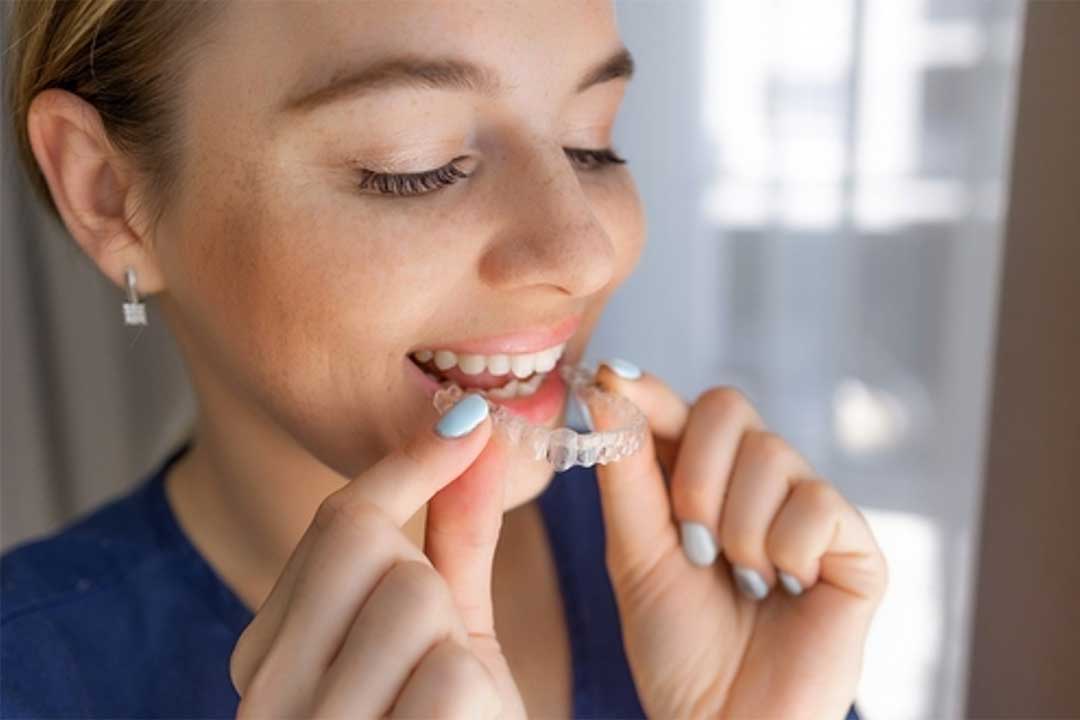
Most patients leave their Zoom appointment with a take-home maintenance kit, which typically includes custom-fitted trays and a whitening gel such as Zoom DayWhite or NiteWhite.
Your hygienist will give you detailed instructions on how and when to use it. As a general guide, most patients wait at least 24 hours before beginning take-home maintenance, once any initial sensitivity has settled.
Using your kit as directed in the days following your in-office treatment can enhance and extend your results further.
Ready to maintain your results long-term? Book a follow-up hygiene appointment at any of our four Dubai centers.
Habits That Help Your Results Last
Beyond the first 48 hours, a few simple habits go a long way:
- Brush twice daily with a fluoride toothpaste
- Floss daily to remove plaque before it causes staining
- Rinse with water after consuming staining foods or drinks
- Visit your dental hygienist regularly for professional cleaning or GBT
- Use your take-home whitening trays for periodic touch-ups — your hygienist will advise how often based on your lifestyle and diet.
Most patients find their Zoom results last well over a year with consistent care.
Frequently Asked Questions
The official Philips Zoom guidance advises avoiding coffee, tea, red wine, and tobacco for at least two hours after treatment, until the natural protective film reforms on your teeth. Our hygienists will give you specific advice tailored to your case before you leave — including how long to avoid staining substances based on your individual treatment.
Yes. Mild tooth sensitivity or brief sharp sensations are a common and temporary side effect. They typically resolve within 24 hours. Using a sensitivity toothpaste and avoiding very hot or cold foods for a couple of days helps manage any discomfort.
It is generally fine to brush gently after treatment, but use a soft-bristled brush and a plain or sensitivity-formulated toothpaste. Avoid whitening toothpaste for the first day or two, and do not brush aggressively — your enamel is temporarily more vulnerable.
Most patients begin using their take-home kit around 24 hours after their in-office session, once any sensitivity has settled. Your dental hygienist will advise you on the timing and frequency that is right for your case.
Results vary by patient and depend heavily on lifestyle habits. Most patients maintain noticeably whiter teeth for a year or more with regular hygiene visits, good oral care at home, and periodic touch-ups with their take-home kit.
Our professional Zoom whitening treatment is designed to deliver noticeable results safely and comfortably. Book your appointment at Drs. Nicolas & Asp Centers or call 04 394 7777.