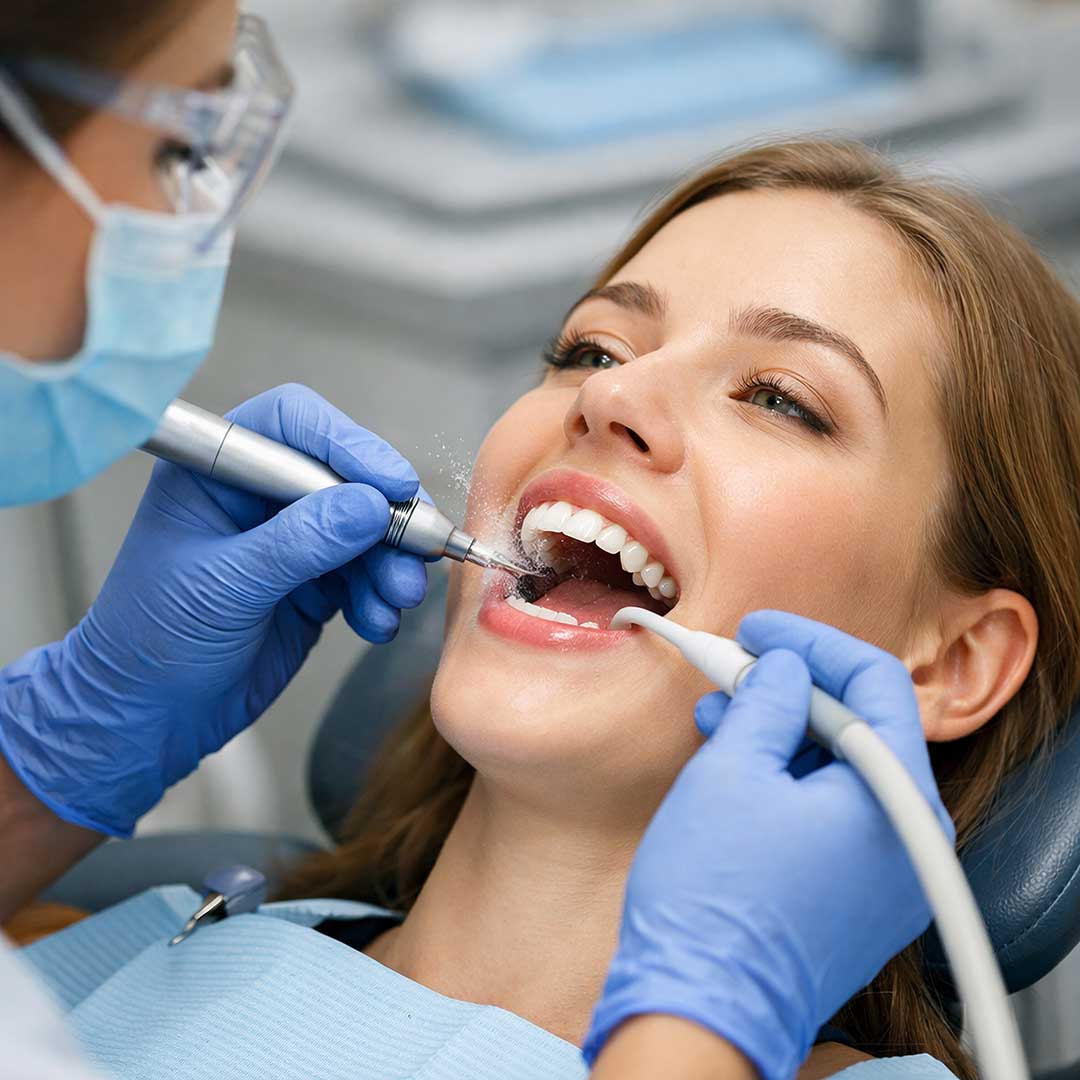
Hello, moms and dads! As backpacks get packed and morning routines get busier, we know oral care can quietly slip down the priority list. That's completely normal. The start of a new school year is simply a good, natural moment to bring it back into focus, and a few small adjustments now can carry your child through the whole year ahead.
Why Does the New School Year Matter for Oral Care
Summer schedules are looser, snacking is more frequent, and bedtime routines often shift. A new school year is a natural checkpoint to bring brushing, flossing, and check-ups back on track before the busier months set in.
How Often Should Kids Brush and Floss
Brushing twice daily for two minutes with a fluoride toothpaste is the foundation of a healthy routine — a pea-sized amount for children 3 and older, a rice-grain-sized smear for children younger than 3. Daily flossing rounds out the routine, along with a dental check-up every six months.
What Should Students With Braces or Aligners Do Differently
If your child wears braces, food particles catch more easily around brackets and wires, so a slightly longer, more deliberate brushing routine after meals makes a real difference. For more detailed daily care tips, our braces care guide covers this in full.
Aligner wearers have their own routine to manage — trays need to come out for eating and drinking anything other than water, and both teeth and trays need cleaning before the aligner goes back in. Our guide on caring for clear aligners walks through the day-to-day details.
What Belongs in a School Toothbrush Kit
A small kit in your child's bag makes it easier to keep up the routine during the school day — a travel toothbrush, a small tube of toothpaste, and floss picks are usually enough. For aligner wearers, a small case to store trays safely during lunch is worth adding too.
Why Water Beats Sugary Drinks
Water and plain milk are the best everyday drinks for school-age children. Frequent sipping on sugary or acidic drinks throughout the school day keeps teeth exposed to sugar for longer, which raises the risk of cavities. Packing a reusable water bottle is a simple swap that supports both hydration and healthy teeth.
Why a Mouthguard Belongs on Your School Checklist
If sports and PE are part of the school routine, a mouthguard deserves a spot on the checklist too. It helps cushion the teeth, lips, and gums against knocks and falls during contact activities — protection that's easy to overlook until an injury happens.
If your child already has one, it's worth checking now: growing jaws, newly erupted teeth, and shifting orthodontic treatment can all change how a mouthguard fits over the course of a year. One that felt snug last season may now sit loosely or feel uncomfortable enough that your child avoids wearing it altogether — which defeats the purpose. If it's damaged, doesn't sit securely, or your child has grown or started orthodontic treatment since it was made, it's time for a replacement.
A quick check-up before the term gets busy is a good way to start the year with confidence. Book an appointment with our Specialist Pediatric Dentists. We are excited to welcome you back!