Book Your Appointment
New Patient
Existing Patient
Full Name *
Mobile *
+971
Search
    Email *
    Treatment *
    Other treatment? Please specify. *
    Preferred Date
    Preferred Time
    Preferred Center *
    Upload your Insurance Emirates ID (optional)
    Browse Files No file chosen
    Insurance Details & Notes
    utm_source
    utm_medium
    utm_campaign
    utm_id
    Referrer URL
    Send an Enquiry
    Full Name *
    Mobile *
    +971
    Search
      Email *
      Enquiry Type *
      Document Type *
      EID Front *
      Browse Files No file chosen
      EID Back *
      Browse Files No file chosen
      Insurance Front *
      Browse Files No file chosen
      Insurance Back *
      Browse Files No file chosen
      Passport *
      Browse Files No file chosen
      Document to request *
      Center *
      Enquiry *
      Referrer URL
      utm_source
      utm_medium
      utm_campaign
      utm_id
      Complete Daily Oral Hygiene Guide

      Your Complete Daily Oral Hygiene Guide

      Complete Guide for Adults and Children

      Evidence-based guidance on brushing, flossing, diet, and professional care — so every member of your family starts from a strong foundation.

      Good oral hygiene doesn’t have to be complicated — it just needs to be consistent. A simple daily routine goes a long way in protecting your teeth and gums, helping to prevent common concerns like tooth decay, gum problems, and early tooth loss. Often, it’s just one or two small steps that make the biggest difference.

      At Drs. Nicolas & Asp Centers, we see every day how these small habits can shape long-term oral health — for both adults and children. This guide brings together trusted advice to help you and your family care for your teeth every day — with confidence.

      Why Oral Hygiene Matters Beyond Your Mouth


      Your mouth isn’t separate from the rest of your body — it’s closely connected. What happens in your gums and teeth can reflect, and even influence, your overall health.

      Research shows clear links between gum disease and conditions like heart disease, diabetes, and pregnancy complications. While these are associations rather than direct cause-and-effect, the connection is strong enough to matter.

      The takeaway is simple: looking after your teeth isn’t just about avoiding cavities — it’s part of taking care of your whole health.

      Key fact

      Gum disease (periodontitis) affects a significant proportion of adults globally — and in many cases it is entirely preventable through daily home care and regular professional cleaning.

      Why Oral Hygiene Matters Beyond Your Mouth

      Daily Oral Hygiene Routine for Adults


      The core daily routine for adults rests on four pillars: brushing, interdental cleaning, diet awareness, and regular dental visits. Here is what the evidence supports.

      Brushing — Technique, Timing, and Tools

      Brush your teeth twice a day — once in the morning and once before bed — for a full two minutes each time. This has been shown to reduce the risk of both tooth decay and gum disease compared with brushing less often.

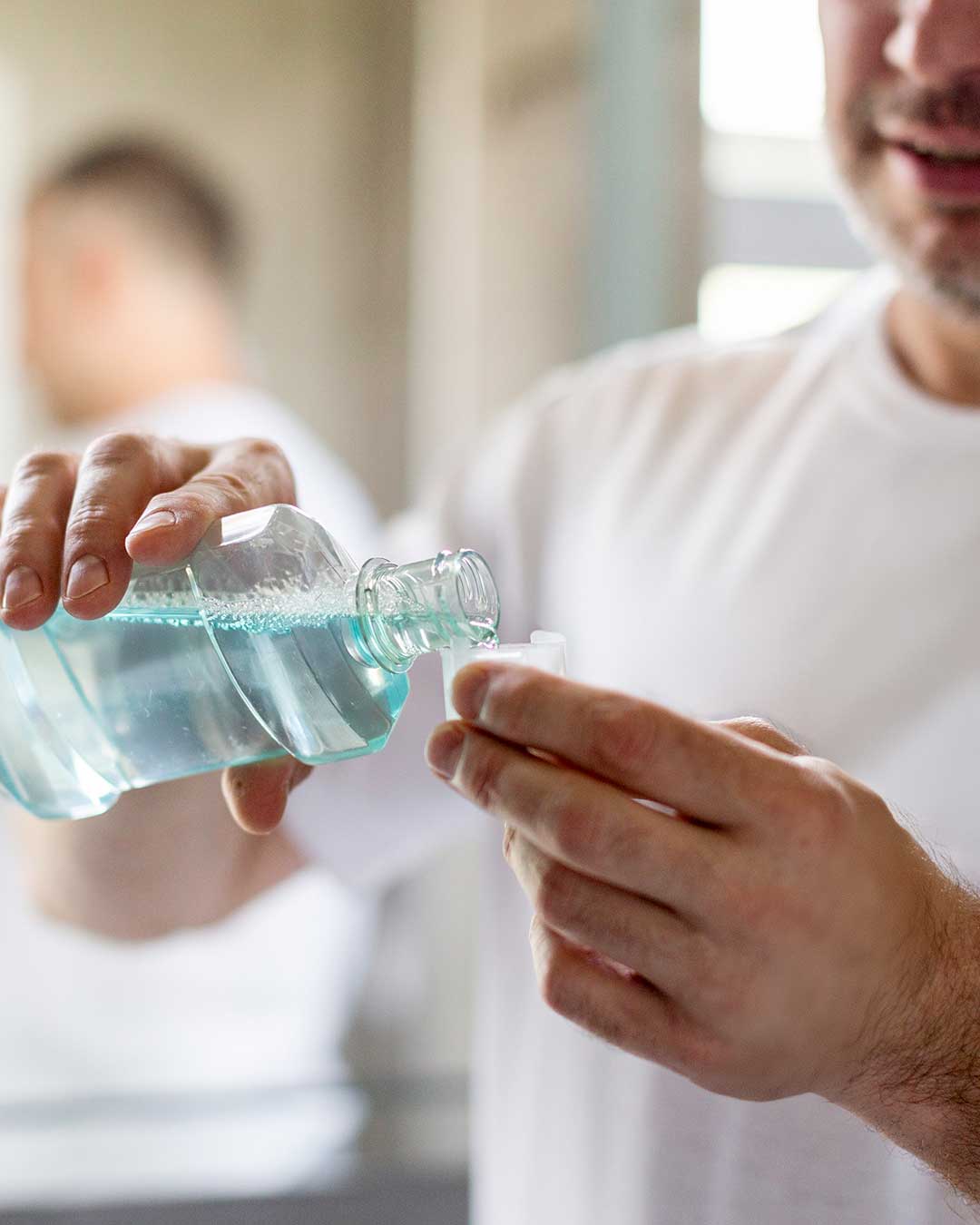
      Mouthwash — A Helpful Addition, Not a Replacement


      For most adults, a fluoride or antimicrobial mouthwash can complement brushing and flossing. It is not, however, a substitute for mechanical cleaning. Rinsing alone cannot remove dental biofilm (plaque), which must be physically disrupted by brushing and interdental cleaning.

      Always choose an alcohol-free mouthwash. Alcohol-based rinses dry out the oral tissues and reduce saliva flow — the opposite of what a healthy mouth needs.

      Use mouthwash at a separate time from brushing — not directly afterwards. Rinsing immediately after brushing removes the fluoride your toothpaste has just deposited on your teeth, before it has had time to strengthen them. Using it midday or between meals works well for most people.

      Mouthwash — A Helpful Addition, Not a Replacement
      Don't Forget Your Tongue

      Don't Forget Your Tongue


      Your tongue is one of the most bacteria-dense surfaces in your mouth — and one of the most overlooked. Bacteria, food debris, and dead cells accumulate on its surface throughout the day, and this buildup is one of the most common causes of bad breath.

      Adding tongue cleaning to your daily routine takes just a few seconds. You have two options:

      • A tongue scraper — a thin, flexible tool (plastic or metal) that you drag gently from the back of the tongue to the front. Dedicated scrapers are designed for the uneven surface of the tongue and are more effective at lifting bacteria than toothbrush bristles, which are designed for flat tooth surfaces.
      • Your toothbrush — if you don't have a scraper, gently brushing your tongue from back to front at the end of your brushing session is a worthwhile alternative.

      Tongue cleaning is a positive addition to your routine — particularly if you notice a coated tongue or persistent bad breath — though it does not replace brushing and interdental cleaning as the foundation. Use light pressure; it should never be uncomfortable.

      Oral Hygiene for Children — Age by Age

      Good oral habits begin in infancy. Primary (baby) teeth hold space for permanent teeth, support speech development, and allow children to eat comfortably. Decay in baby teeth can cause pain and infection and affect the development of permanent teeth.

      One principle applies regardless of age: parents should start flossing their child's teeth as soon as any two teeth touch — this is when the spaces between teeth become a site for plaque build-up and decay.

      Age What to Do Toothpaste Amounth
      First tooth (~6 months) Begin brushing immediately with a soft-bristled infant toothbrush. Parents do all the brushing. Smear — grain of rice
      Under 3 years Brush twice daily. Parents brush; child observes. Focus on all tooth surfaces and the gumline. Begin flossing as soon as any two teeth touch — parents should do this for the child. Smear — grain of rice
      3–6 years Brush twice daily under close parental supervision. Parents should continue flossing all teeth that touch — children at this age do not yet have the dexterity to floss effectively themselves. Pea-sized amount
      6–12 years Children begin brushing independently; parents check until around age 8–10. Continue daily interdental cleaning. Pea-sized amount
      12+ years Full adult routine: brush twice daily for 2 minutes, clean between teeth daily. Night-time brushing is very important. Pea-sized amount

      A note on fluoride safety for young children

      A smear (under 3 years old) or pea-sized amount (3 to 6 year-olds) of fluoride toothpaste provides cavity protection while keeping fluoride intake within safe levels. Always supervise young children and encourage them to spit out the excess.

      The First Dental Visit


      Children should have their first dental visit by the time their first tooth appears, or no later than their first birthday. Early visits allow the dentist to check development is on track and help children feel comfortable in the dental setting from a young age.

      Starting dental visits early is one of the most effective ways to prevent dental anxiety — a problem that, left unaddressed, can follow people into adulthood.

      At Drs. Nicolas & Asp Centers, we care for patients of all ages — from first baby teeth to lifelong smiles.

      Book your appointment
      New Patient
      Existing Patient
      Full Name *
      Mobile *
      +971
      Search
        Email *
        Treatment *
        Other treatment? Please specify. *
        Preferred Date
        Preferred Time
        Preferred Center *
        Upload your Insurance Emirates ID (optional)
        Browse Files No file chosen
        Insurance Details & Notes
        utm_source
        utm_medium
        utm_campaign
        utm_id
        Referrer URL
        First dental check-up

        Diet, Hydration, and Your Teeth


        Sugar and Tooth Decay

        Tooth decay (dental caries or cavities) begins when bacteria in the mouth feed on sugars and produce acids that attack tooth enamel. The frequency of sugar exposure matters just as much as the total amount consumed.

        • Limit sugary snacks and drinks between meals
        • Have sweet foods as part of a main meal rather than on their own
        • Rinse your mouth with water after eating if brushing is not immediately possible
        • Choose water or plain milk over sugary drinks, especially for children

        Even fruit juices — including fresh or organic options — contain natural sugars and acids that can contribute to enamel wear, especially when sipped frequently. Whole fruits are a better choice, as they are less concentrated in sugar and are eaten more quickly rather than over time.

        Diet, Hydration, and Your Teeth

        Hydration and Saliva

        Saliva is one of the mouth's natural defenses — it neutralizes acids, washes away food particles, and delivers minerals that help repair early enamel damage. Staying well hydrated supports healthy saliva flow.

        If you experience persistent dry mouth, speak to your dentist. Dry mouth significantly increases the risk of tooth decay and is a common side effect of many medications.

        Acids, Enamel, and Brushing Timing

        If you have eaten or drunk something acidic — think citrus fruits, tomatoes, fizzy drinks, juice, or vinegar-based foods — wait at least 30 minutes before brushing.

        Here is why: acids temporarily soften tooth enamel (the hard outer layer that protects your teeth). If you brush while enamel is still in this softened state, you risk wearing it away rather than cleaning it. Your saliva is your natural defense here — given time, it neutralizes the acid and helps enamel harden back up.

        While you wait, rinse with plain water to help clear residual acid. Chewing sugarless or xylitol gum is also helpful — it stimulates saliva flow and speeds up the natural recovery process, making it a practical tool when brushing is not immediately possible after eating.


        Diet, Hydration, and Your Teeth
        Professional Care — When and How Often

        Professional Care — When and How Often


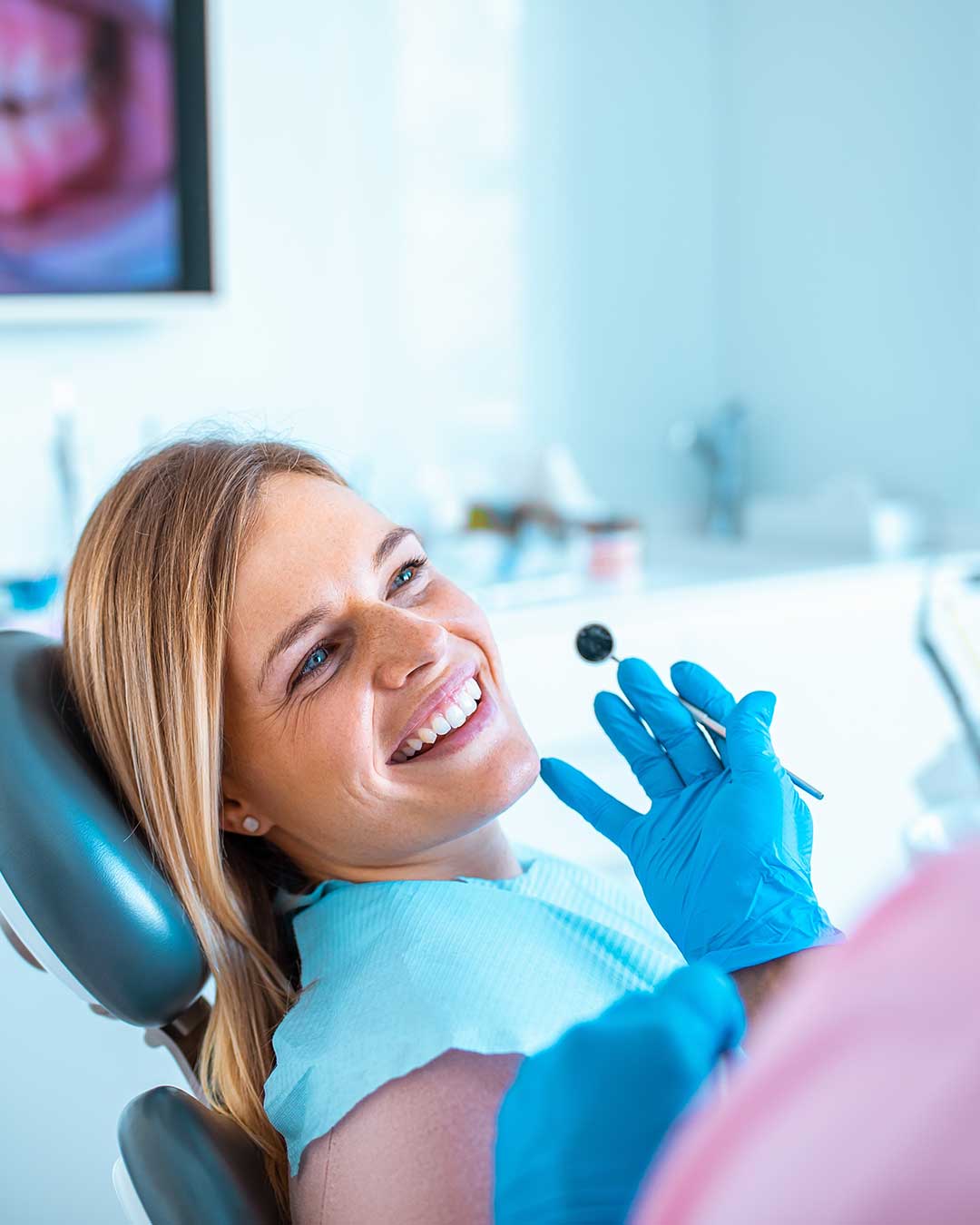
        A routine visit does more than a quick check — it looks after areas your daily brushing and flossing can’t fully reach.

        Your dental hygienist will:

        • Gently remove tartar (hardened plaque) from the teeth and along the gumline using professional instruments
        • Clean and polish your teeth to help reduce plaque build-up
        • Check your gums for early signs of gum disease
        • Share practical advice to help you improve your daily routine

        Your dentist will:

        • Examine your teeth for early-stage cavities and signs of gum disease before they cause discomfort
        • Assess your overall oral health, including your bite and jaw
        • Check existing dental work — veneers, crowns, fillings, and implants — to ensure everything is stable and functioning well
        • Check the fit and comfort of your dentures, if you wear them
        • Carry out an oral cancer screening as part of a thorough examination

        Together, this approach helps keep your mouth healthy, comfortable, and well-maintained over time.

        How Often Should You Visit


        For most adults, a check-up and clean every six months is recommended. The right frequency depends on your individual risk profile — patients with a history of gum disease, uncontrolled diabetes, or high cavity risk may benefit from more frequent visits.

        Children should visit the dentist regularly from the time their first tooth appears. Consistent check-ups help prevent problems from developing and build a positive association with dental care.

        Covered by insurance?

        At Drs. Nicolas & Asp Centers, we work with most major insurance providers and handle all pre-approvals and paperwork on your behalf. We also offer flexible payment options through Tabby and 0% interest installments.

        How Often Should You Visit

        Common Oral Hygiene Mistakes to Avoid

        • Brushing immediately after acidic food or drink

          Acids from citrus, fizzy drinks, juice, and vinegar temporarily soften enamel. Brushing before your saliva has neutralized the acid can wear enamel away. Rinse with water and wait at least 30 minutes first.

        • Brushing too hard

          Firm pressure does not mean cleaner teeth — it can wear down enamel and push gums back over time.

        • Skipping the night-time brush

          Saliva flow decreases during sleep, reducing the mouth's natural protection. The night-time brush is arguably the most important.

        • Rinsing with water after brushing

          This washes away concentrated fluoride. Spit out excess toothpaste, but do not rinse with water.

        • Skipping interdental cleaning

          Around 40% of each tooth's surface lies between teeth — this area is never cleaned without flossing or an alternative.

        • Replacing professional cleaning with mouthwash

          Mouthwash cannot remove tartar or assess gum health. It complements, not replaces, professional care.

        • Assuming no pain means no problem

          Gum disease, early cavities, and oral cancer can be present without causing pain. Regular check-ups are the only reliable way to catch these early.

        Frequently Asked Questions

        Adults should brush twice a day — once in the morning and once before bed — for two minutes each time, using a fluoride toothpaste. 

        Start as soon as the first tooth erupts — which can be as early as 6 months. Use a soft-bristled infant toothbrush and a smear of fluoride toothpaste no larger than a grain of rice.

        For children under 3, a smear the size of a grain of rice is sufficient. From age 3 to 6, increase to a pea-sized amount. Always supervise brushing and encourage your child to spit — not swallow — the toothpaste.

        Yes. A toothbrush cannot reach the spaces between teeth, where plaque and food debris accumulate. Daily interdental cleaning is an essential part of any complete oral hygiene routine.

        Most adults benefit from check-ups and a professional clean twice a year. Your dentist may recommend a different schedule depending on your individual risk for gum disease, cavities, or other conditions.

        Research has found meaningful associations between gum disease and conditions including cardiovascular disease and diabetes. Experts and health organizations consider oral health an integral part of overall wellbeing.