If your child has just had dental sealants applied, or you are considering them, one of the first questions parents ask is a practical one: how long will they actually last?
The short answer is 5 to 10 years, sometimes longer. But the full answer depends on a few factors that are worth understanding, especially if you want to get the most out of this preventive treatment.
What Dental Sealants Are
A dental sealant is a thin protective coating applied to the chewing surfaces of the back teeth — the molars and premolars. These teeth have deep grooves and fissures that are difficult to clean thoroughly, even with careful brushing. Food particles and bacteria settle into these grooves, which is why back teeth account for the large majority of cavities in children.
Sealants act as a physical barrier, sealing those grooves so bacteria and food have nowhere to collect. The material is tooth-colored or clear, and the application is quick, comfortable, and does not require any drilling or removal of tooth structure.
They are most commonly recommended for children when their permanent molars erupt — typically around ages 6 and 12 — but can also benefit teenagers and some adults who are at higher risk of decay.
How Long Sealants Typically Last
Dental sealants last an average of 5 to 10 years with normal use. Some sealants remain intact and effective well beyond this range; others may chip or wear sooner, depending on the individual.
The American Dental Association (ADA) notes that sealants can reduce the risk of decay in molars by nearly 80% in the first two years after application, and continue to provide meaningful protection as long as the sealant is intact.
Regular check-ups allow the pediatric dentist to monitor the condition of each sealant and catch any wear before it becomes an issue.
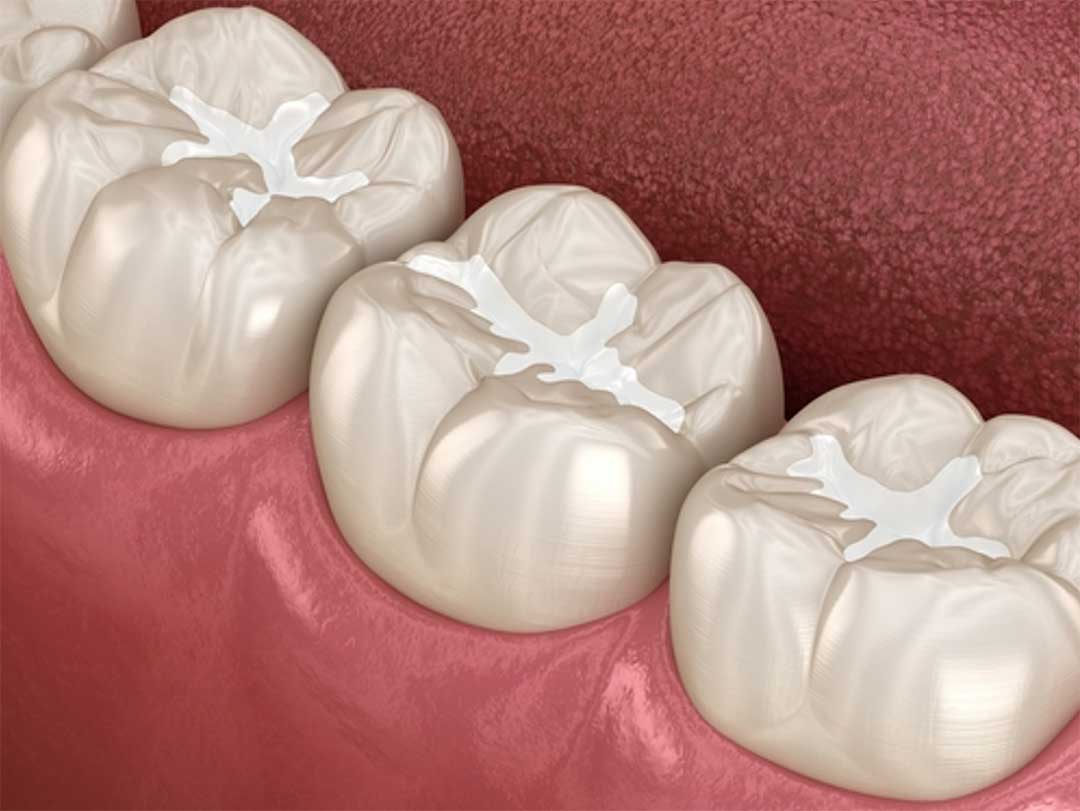
A dental sealant is a thin protective coating applied to the chewing surfaces of the back teeth — the molars and premolars.
Factors That Affect Sealant Lifespan
Several things influence how long a sealant holds up:
- Chewing habits — grinding teeth or habitually chewing on hard items like ice, hard candy, or pen caps places extra stress on sealants and accelerates wear
- Diet — frequent consumption of sticky or chewy foods (dried fruit, caramel, chewing gum) can pull at the sealant material over time
- Oral hygiene — children who brush consistently and well tend to have cleaner surfaces that support sealant adhesion; neglected hygiene introduces acids and debris that degrade the material
- Age at application — sealants placed on newly erupted molars with optimal surface preparation tend to bond better and last longer
- Application quality — sealant success depends heavily on technique; moisture control during placement is critical, as even a small amount of saliva contamination can weaken the bond
The pediatric dentist placing the sealant will ensure the tooth is thoroughly cleaned and dried before application, which significantly improves longevity.
Signs a Sealant Needs to Be Replaced
Sealants do not usually fail all at once. Most commonly, they chip at the edges or wear thin in areas of heavy contact. Signs that a sealant may need attention include:
In many cases, a sealant can be repaired or reapplied rather than fully replaced, which is a straightforward and quick procedure.
How Sealants Are Checked and Maintained
Sealants should be examined at every routine dental check-up. Your child's Specialist Pediatric Dentist will visually inspect each sealant and use a dental explorer, a small probe, to check that the edges are sealed and the coating is intact.
If a sealant has worn or chipped, the dentist will advise whether repair or reapplication is appropriate based on the extent of the damage and any signs of early decay forming underneath.
There is nothing special a child needs to do at home to maintain sealants. Brushing twice daily with fluoride toothpaste, flossing, and keeping up with regular appointments is sufficient. For children at higher risk of decay, pairing sealants with fluoride treatment for children provides an additional layer of protection.
Sealants vs. Not Having Sealants
Parents occasionally ask whether sealants are really necessary if their child brushes well. It is a fair question.
The grooves in back teeth can be narrower than a single toothbrush bristle, which means even thorough brushing cannot always reach the deepest points. Sealants eliminate that structural vulnerability entirely.
Studies consistently show that sealed teeth develop significantly fewer cavities than unsealed teeth in the same age group. Preventing a cavity avoids the need for a dental filling — which, while routine, is a treatment rather than prevention. The goal of sealants is to keep the tooth entirely intact.
For a closer look at how cavities develop in children and what the warning signs are, the article on early warning signs of cavities in children covers this in detail.
Considering Sealants at Drs. Nicolas & Asp Centers?
At Drs. Nicolas & Asp Centers, dental sealants are offered as part of a broader preventive dental care for children, performed by Specialist Pediatric Dentists across all four Dubai branches — Jumeirah, Marina Walk, Springs Souk, and Uptown Mirdif.
If you would like to discuss whether sealants are appropriate for your child, or have existing sealants that need checking, call 04 394 7777 or book an appointment online.
Frequently Asked Questions
Dental sealants are most effective when applied shortly after the permanent molars erupt. The first permanent molars typically come in around age 6, and the second permanent molars around age 12. Applying sealants soon after eruption — before any decay has a chance to begin — gives the best outcome. Your child's Specialist Pediatric Dentist will advise on the right timing based on how their teeth are developing.
Sealants are not exclusively for children. Adults with deep grooves in their back teeth who have a history of cavities or are at elevated risk of decay can also benefit from sealants, provided the tooth surface is sound and free of existing decay. Your dentist will assess whether the tooth is a good candidate during a routine examination.
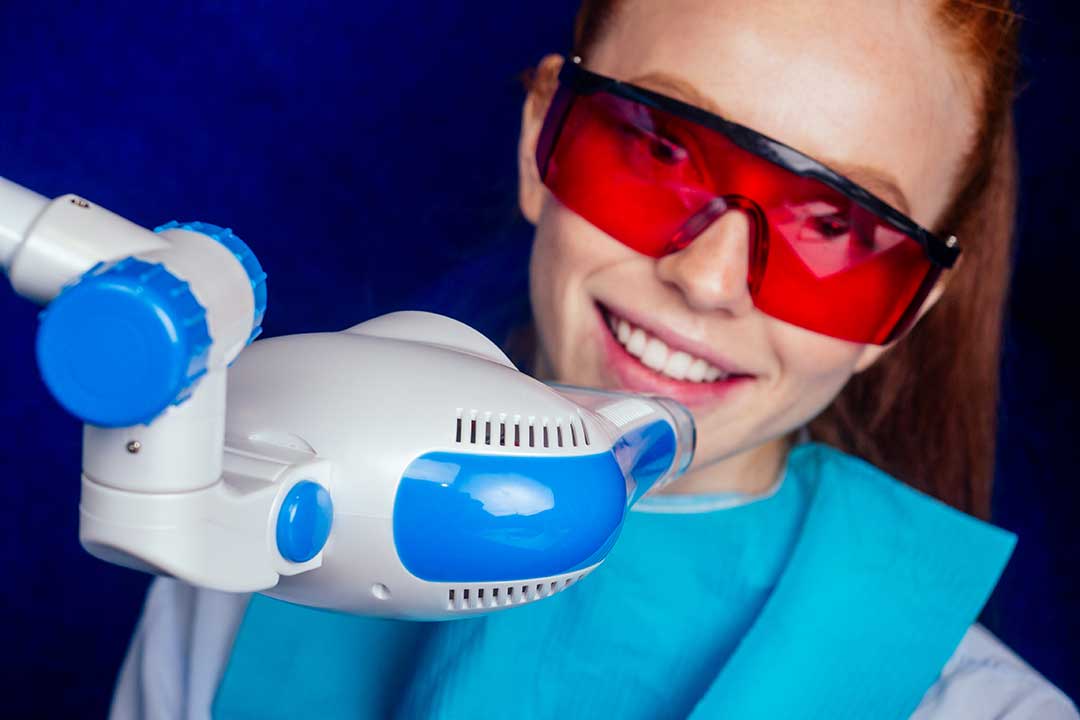
No. The application is entirely pain-free and does not require anesthesia. The tooth is cleaned, dried, and the sealant material is painted on and hardened with a curing light. The entire process for one tooth takes only a few minutes. Most children tolerate it very easily.
If a sealant chips or comes off completely, the tooth is no longer protected in that area and is at increased risk of developing a cavity. It is important to have it repaired or replaced promptly. This is one reason regular dental check-ups matter — sealant integrity is assessed at every visit so issues are caught early.
If a sealant is properly applied to a clean, decay-free surface, decay should not develop underneath it. However, if a sealant is placed over a tooth that had early decay that was not detected, or if the sealant later cracks and allows bacteria to enter, decay can progress. This is why thorough assessment before placement — and regular monitoring afterward — is essential.
Yes. Dental sealants are available at all four branches of Drs. Nicolas & Asp Centers as part of our children's preventive dentistry program. All pediatric dental care at the practice is provided exclusively by Specialist Pediatric Dentists. To arrange an appointment, call 04 394 7777 or book online.
At Drs. Nicolas & Asp Centers, all pediatric dental treatments — including sealants — are provided by Specialist Pediatric Dentists. These are dentists who have completed advanced postgraduate training specifically in children's dental care. A general dentist will refer your child accordingly if needed.
Coverage for dental sealants varies depending on your insurance plan and provider. Drs. Nicolas & Asp Centers accepts most major insurance cards for direct billing and handles all pre-approvals and paperwork on your behalf. For full details on accepted insurance and payment options, including Tabby and 0% interest installment plans, visit Insurance & Payment Options.
- American Dental Association. "Dental Sealants." MouthHealthy.org, 2024. mouthhealthy.org
- 2. American Academy of Pediatric Dentistry. "Policy on Third-Party Reimbursement of Fees Related to Dental Sealants." The Reference Manual of Pediatric Dentistry. Chicago, IL: American Academy of Pediatric Dentistry; 2025:204-5. aapd.org
- 3. Gooch, Barbara F., et al. "Preventing Dental Caries Through School-Based Sealant Programs: Updated Recommendations and Reviews of Evidence." Journal of the American Dental Association, vol. 140, no. 11, 2009, pp. 1356–1365. jada.ada.org