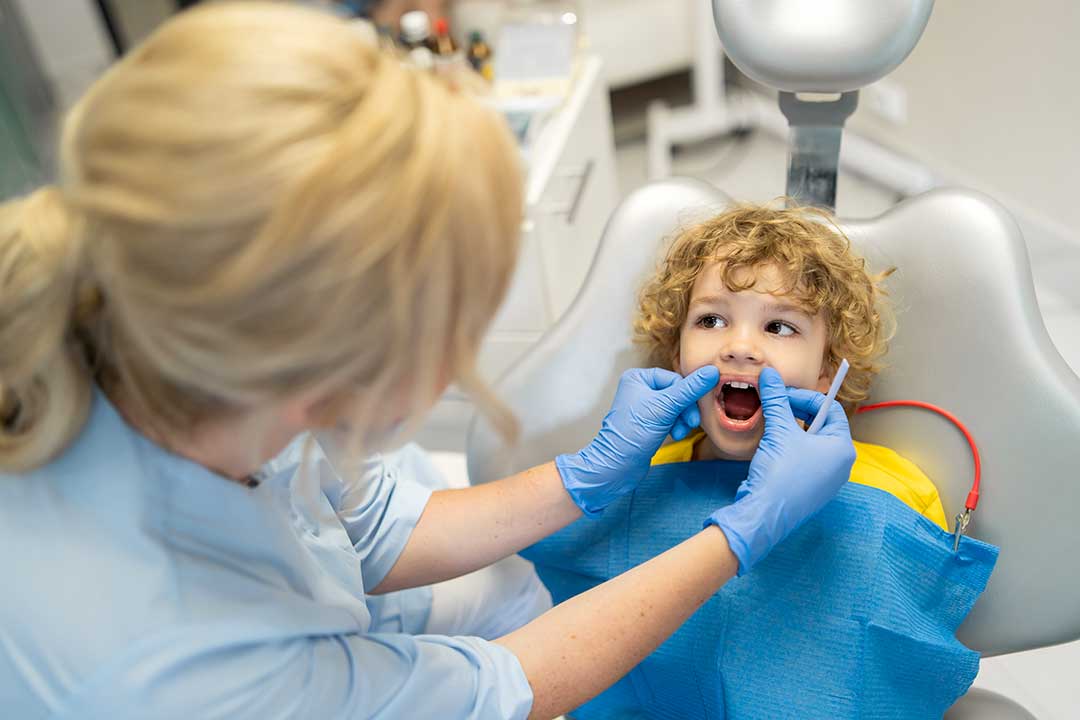
A dental crown is one of the most common restorations in dentistry — and also one of the most misunderstood. Patients often arrive at a consultation having been told they need a crown somewhere else, unsure whether that recommendation was right or whether a simpler option might exist.
This guide explains what crowns are, what they genuinely solve, and — just as importantly — when a more conservative approach might be considered first.
What is a Dental Crown
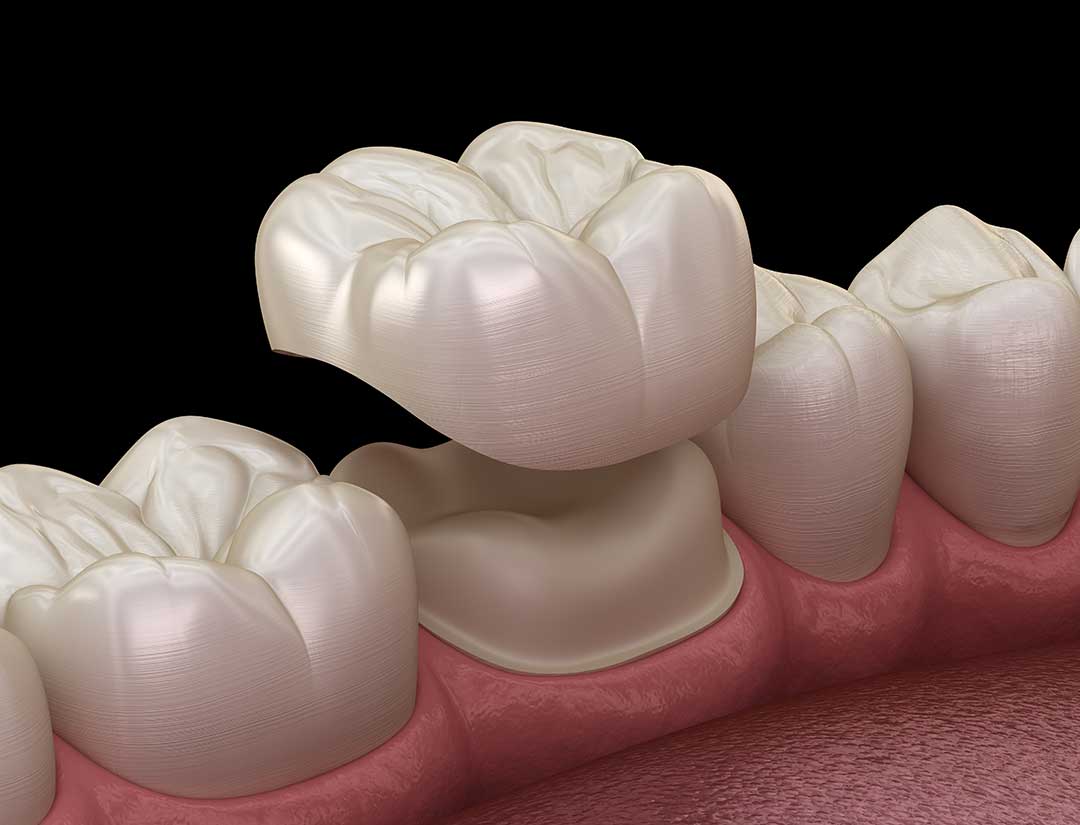
A dental crown is a custom-made cap that fits over a damaged, weakened, or heavily restored tooth. It covers the entire visible portion of the tooth above the gumline, restoring its shape, size, strength, and appearance.
Crowns are permanently cemented in place. They are not removable and function just like a natural tooth surface for eating, speaking, and everyday use.
The term "cap" is sometimes used interchangeably with "crown" — they refer to the same thing.
Materials Used for Dental Crowns
Crowns are made from several different materials, and the choice depends on the location of the tooth, aesthetic requirements, and clinical factors your dentist will assess.
Porcelain (all-ceramic)
The most natural-looking option. Matches the color and translucency of surrounding teeth closely. Commonly used for front teeth where appearance is a priority.
Porcelain-fused-to-metal (PFM)
A ceramic outer layer bonded to a metal substructure. Strong and aesthetic, though a dark line at the gumline can occasionally become visible over time.
Zirconia
An increasingly preferred option — exceptionally strong, metal-free, and highly aesthetic. Well-suited for both front and back teeth. Zirconia crowns are milled with precision technology and are a popular choice at specialist prosthodontic practices.
Full metal (gold or alloy)
The most durable option for back teeth under heavy biting forces. Less commonly chosen today for aesthetic reasons, but still clinically excellent in specific cases.
Your dentist or specialist will recommend the most appropriate material based on where the crown is going, how much natural tooth structure remains, and your specific clinical needs.
When a Crown Is the Right Treatment
Crowns are indicated in specific clinical situations — not as a default response to any tooth problem. The most common reasons a crown is recommended include:
- A tooth with extensive decay – When a cavity is too large for a filling to restore reliably, a crown provides full coverage and structural support.
- A cracked or fractured tooth – A crack that extends into the tooth structure — particularly one causing pain on biting — often requires a crown to hold the tooth together and prevent the crack from deepening.
- A tooth after root canal treatment – Back teeth that have undergone root canal treatment become more brittle over time. A crown is placed over most root canal-treated molars and premolars to protect them from fracture under normal chewing forces.
- A severely worn tooth Significant – wear from bruxism (teeth grinding) or acid erosion can reduce tooth height to the point where a crown is needed to restore function and protect what remains.
- A broken-down tooth with insufficient structure for a filling – When too little natural tooth structure remains to hold a filling in place reliably, a crown becomes the appropriate restoration.
- A tooth supporting a dental bridge – The anchor teeth on either side of a bridge gap are crowned as part of the bridge structure.
- A dental implant – The visible portion of a dental implant – the crown – sits on top of the implant post and is custom-made to match surrounding teeth.
How the Decision Is Made
Good restorative dentistry starts with the most conservative option that will reliably do the job. When enough healthy tooth structure remains, a large filling or an inlay/onlay — a partial coverage restoration — may be all that is needed.
For a cracked tooth, the extent and position of the crack guides the recommendation. Some cracks are well-managed with a crown; others may be addressed more conservatively depending on the clinical assessment.
For worn teeth, treatment often begins by addressing the underlying cause — a night guard for grinding, for example — alongside or before any restorative work.
At Drs. Nicolas & Asp Centers, preserving natural tooth structure is always the starting point. A crown is recommended when it is genuinely the most appropriate restoration for your situation — and your dentist or Specialist Prosthodontist will walk you through the reasoning at every step.
What the Crown Procedure Involves
A crown is placed over two appointments in most cases.
First appointment – preparation and impression
The tooth is shaped to create space for the crown. An impression or digital scan is taken and sent to the lab. A temporary crown protects the prepared tooth in the meantime.
Second appointment – fitting and cementation
The custom crown is checked for fit, color, and bite before being permanently cemented in place. Adjustments are made as needed.
At Drs. Nicolas & Asp Centers, our patients benefit from an in-house dental lab, allowing close collaboration between the dentist and master lab technicians for greater precision, shade matching, and faster turnaround times for many crown cases.
How Long a Crown Lasts
With proper care, most dental crowns last between 10 and 15 years.
Lifespan depends on several factors: the material used, oral hygiene, biting habits, and whether the underlying tooth and gum health are well-maintained. Regular checkups allow your dentist to monitor the crown margins and the health of the tooth beneath.
Crowns do not decay themselves, but the natural tooth at the margins can. Consistent brushing, flossing, and routine hygiene visits are just as important with crowns as with natural teeth.
Cost and Insurance
Crown treatment is covered under many insurance plans in Dubai, particularly where it is clinically indicated for restorative purposes. Coverage varies by policy and provider. At Drs. Nicolas & Asp Centers, we accept most major insurance cards for direct billing and handle all pre-approvals and paperwork on your behalf.
For a full breakdown of accepted plans and payment options, visit Insurance and Payment Options.
Frequently Asked Questions
A filling repairs a portion of a tooth — it restores the area where decay or damage has been removed while leaving the surrounding tooth structure intact. A crown covers the entire visible tooth above the gumline. A crown is used when the damage is too extensive for a filling to restore reliably, or when the tooth needs full structural protection.
The procedure is carried out under local anesthetic, so the tooth and surrounding area are numbed before any preparation begins. Most patients experience little to no discomfort during the appointment. Some sensitivity in the days following preparation is normal and settles as the tooth adjusts. Your dentist will advise on what to expect based on your specific situation.
Crowns can occasionally loosen or come off, most commonly due to the cement washing out over time, changes to the underlying tooth, or a bite issue. If a crown comes loose or falls off, contact your dental clinic as soon as possible — the crown and tooth both need to be assessed promptly. Do not attempt to re-cement it at home.
Not always — but in most cases, yes. Front teeth that have had root canal treatment may not always require a crown if enough structure remains. Back teeth — molars and premolars — are under significant biting force and are more likely to fracture without crown protection, so a crown is recommended in most cases. Your dentist will assess the remaining tooth structure after treatment.
Crowns and veneers serve different purposes. A veneer covers only the front surface of a tooth and is primarily cosmetic — it does not provide structural protection. A crown covers the entire tooth and is used when the tooth needs both protection and restoration, not just an aesthetic improvement. If your tooth is healthy and intact but you want to change its appearance, a veneer may be the right conversation. If it is damaged, weakened, or heavily restored, a crown is more likely indicated.
Yes. Crown restorations are available across all four of our Dubai locations — Jumeirah, Marina Walk, Springs Souk, and Uptown Mirdif. Our dentists and Specialist Prosthodontists manage crown planning and placement, with custom restorations produced by our in-house dental laboratory. Your reception team can confirm availability and book you with the right specialist.
Coverage depends on your plan. Many insurance policies cover crowns where treatment is clinically necessary — for example, following root canal treatment or to restore a severely damaged tooth. Purely cosmetic crown work is less commonly covered.
For full details on accepted insurance and payment options at Drs. Nicolas & Asp Centers, visit Insurance & Payment Options.
Not sure if you need a crown? A consultation is the clearest next step.
At Drs. Nicolas & Asp Centers, our dentists assess each case individually — weighing up all restorative options before recommending the one that best preserves your natural tooth structure and serves your long-term oral health. If you have received a crown recommendation elsewhere and would like a second opinion, our team is happy to review your case.
Book your appointment online or call us on 04 394 7777. We are available across Jumeirah, Marina Walk, Springs Souk, and Uptown Mirdif.