Young children brushing their teeth alone might seem like a milestone.
But in reality, it’s one of the most common reasons children develop cavities.
At Drs. Nicolas & Asp Centers, we often meet children who brush every day—yet still develop cavities. In most cases, it’s simply because they’re not brushing effectively yet.
Why Children Need Supervision When Brushing
Brushing teeth is not just a habit—it’s a skill.
Young children simply don’t have the coordination to clean every tooth properly.
Think of it like tying shoelaces. They can try—but they still need help to get it right.
Without supervision, children often:
- Miss the back teeth
- Brush too quickly
- Skip the gum line
- Focus only on front teeth
Over time, this leads to plaque buildup (a sticky film of bacteria), which causes cavities.

When Can Children Brush Their Teeth on Their Own?
Most children are not able to brush effectively on their own until around 8 to 10 years old.
Even then, supervision is still recommended.
A simple rule many parents find helpful:
- Under 7: Parents brush for the child
- 7–10: Child brushes, parent finishes
- 10+: Parent checks consistency
If you’re unsure, your child’s pediatric dentist can guide you based on your child’s development.
Signs Your Child Isn’t Brushing Properly
Even if your child brushes twice a day, these signs may indicate ineffective brushing:
- Plaque visible along the gum line
- Bad breath shortly after brushing
- Food stuck between teeth
- Early white spots on teeth (early decay)
- Frequent cavities despite brushing
If you notice any of these, it’s worth adjusting your routine.
Simple Tip for Parents
Disclosing tablets can make brushing more fun and effective for children. These chewable tablets temporarily colour any plaque on the teeth, showing kids exactly where they’ve missed while brushing. It turns oral hygiene into a bit of a game and helps build better habits early on. You can easily find them in most pharmacies, making them a helpful addition to your child’s routine at home.
How to Brush Your Child’s Teeth Properly
A proper routine makes a significant difference. Here’s a simple approach used by pediatric dentists:
- Use a soft, age-appropriate toothbrush
- Use a rice-sized (under 3) or pea-sized (3+) amount of fluoride toothpaste
- Brush at a slight angle toward the gums
- Clean all surfaces of each tooth
- Brush for a full two minutes
After your child brushes, always do a quick “parent check” and go over missed areas.
Diet Matters More Than You Think
Even perfect brushing cannot fully protect teeth if diet is high in sugar. Frequent snacking and sipping on juices expose teeth to constant acid attacks.
To reduce cavity risk:
- Limit sugary snacks between meals
- Avoid frequent juice consumption
- Encourage water as the main drink
- Keep sweets to occasional treats
It’s not just how much sugar—it’s how often.
How Drs. Nicolas & Asp Centers Supports Parents
In our practice, we don’t just treat cavities—we help prevent them.
Our pediatric dental team works closely with parents to:
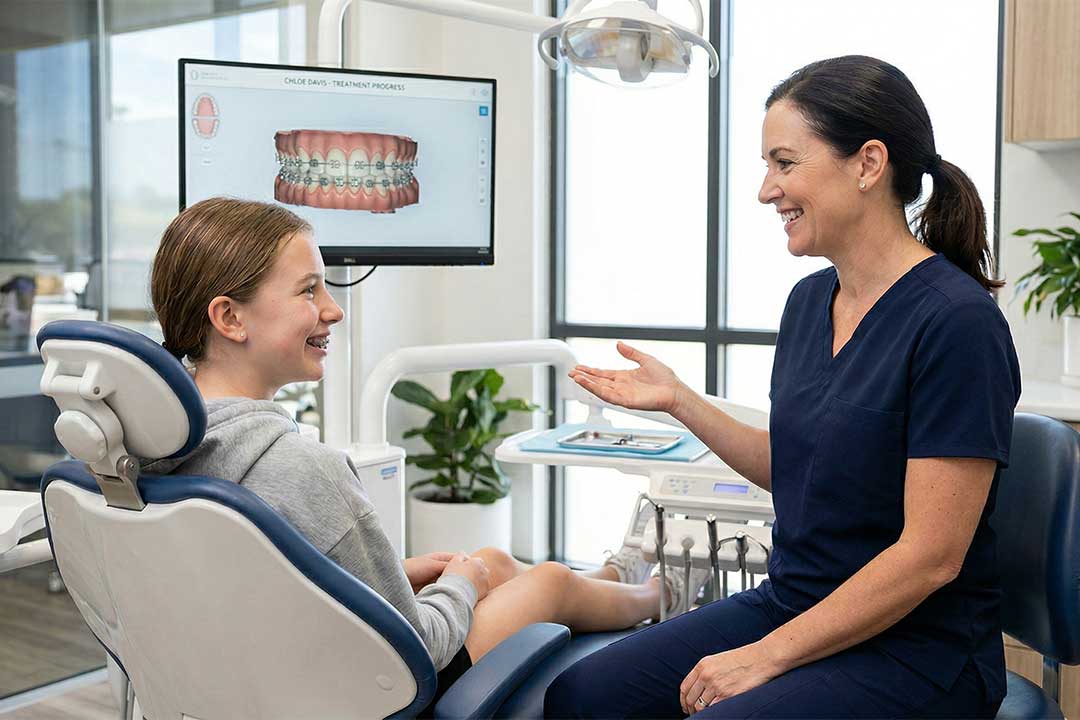
- Demonstrate correct brushing techniques
- Identify early signs of decay
- Create personalised prevention plans
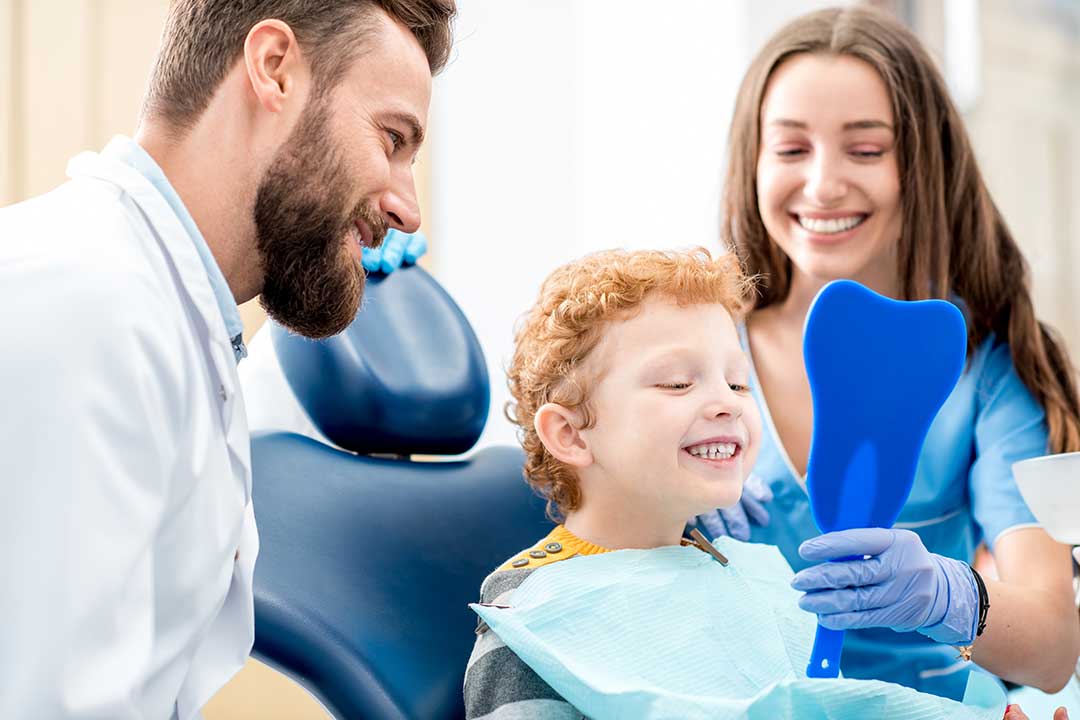
- Make dental visits comfortable for children
With over 30 years of experience in Dubai, we understand how to guide families at every stage.
When to Book a Dental Visit
If your child:
- Has never had a dental check-up
- Is brushing independently under age 8
- Shows signs of early decay
- Frequently develops cavities
…it’s a good time to schedule a visit.
You can call 04 394 7777 or book online to speak with our team at Drs. Nicolas & Asp Centers.
FAQ: Children Brushing Teeth
Yes. Most children miss key areas without supervision, especially back teeth.
They may leave plaque behind, increasing the risk of cavities.
At least two minutes, twice daily.
Yes—once teeth touch, flossing becomes important.