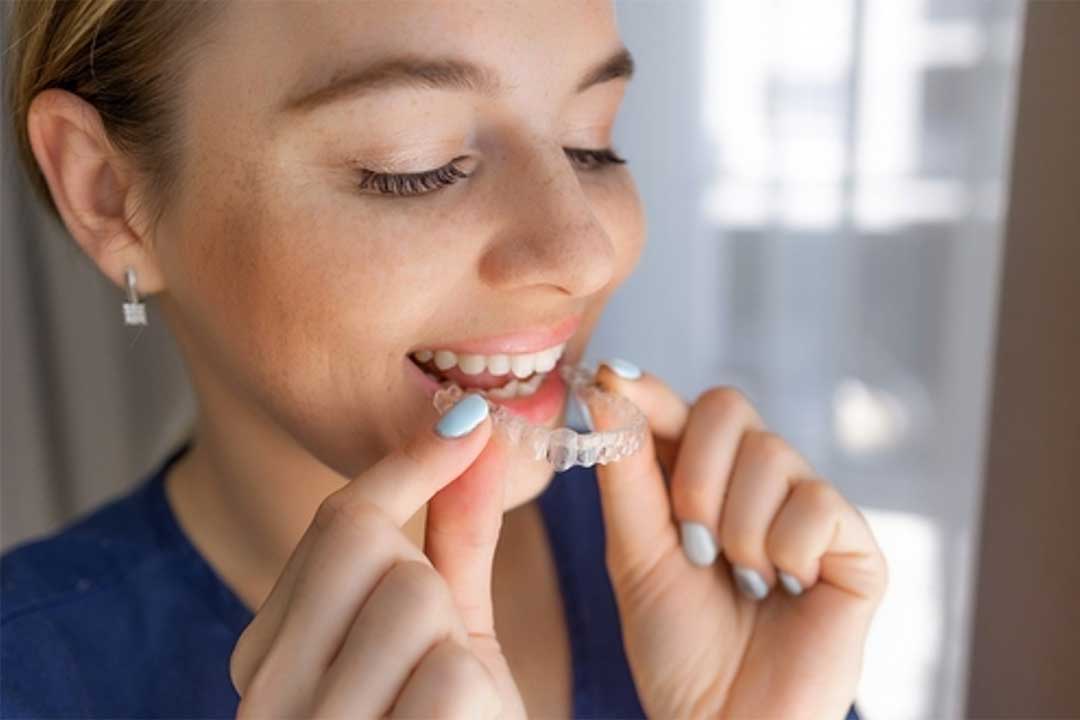
If you've been told you need orthodontic treatment, Invisalign is likely one of the first options you've come across. For many patients in Dubai, it's become the go-to choice — a way to straighten teeth without the look or feel of traditional metal braces.
But what does treatment actually involve? And is it the right option for your specific situation?
This guide covers everything you need to know before you begin.
How Invisalign Works
Invisalign uses a series of custom-made, removable clear aligners — thin plastic trays shaped precisely to your teeth — to shift teeth gradually into the correct position.
Each set of aligners is worn for approximately one to two weeks before you move to the next in the series. Over time, each tray moves your teeth by small, controlled increments. The total number of aligners in your treatment plan depends on the complexity of your case.
Unlike fixed braces, there are no wires, no brackets, and no monthly tightening appointments. Your Specialist Orthodontist maps out the entire tooth movement in advance using 3D digital planning software. You can often see a simulation of your expected outcome before treatment even begins.
What Invisalign Can Treat
Invisalign is effective for a wide range of orthodontic issues, including:
- Crowded teeth (when there isn't enough space for teeth to sit properly)
- Gaps between teeth
- Overbite (upper teeth close too far over the lower)
- Underbite (lower teeth sit in front of the upper)
- Crossbite (upper and lower teeth don't meet correctly on one or both sides)
- Open bite (upper and lower teeth don't fully close)
Mild to moderate cases are typically excellent candidates for clear aligner treatment. More complex bite issues may require traditional braces or a combination approach — your orthodontist will advise which route gives the best outcome for your case.
Invisalign vs. Traditional Braces
Both Invisalign and fixed braces can achieve excellent results. The right choice depends on your clinical needs and lifestyle.
| Braces | Invisalign |
|---|---|
| Nearly invisible when worn | Fixed to teeth — no compliance issue |
| Removable for eating, drinking, and brushing | Better suited to complex bite corrections |
| No dietary restrictions | Can feel bulkier and affect speech initially |
| Fewer clinic visits in many cases | Regular adjustment appointments required |
| Requires discipline — aligners must be worn 20 to 22 hours per day | More challenging when it comes to oral hygiene |
The key difference isn’t just cosmetic — it’s clinical suitability. Your orthodontist’s recommendation is based on what will move your teeth most effectively and fit your lifestyle, not simply what looks best in the short term.
Ready to explore whether Invisalign is right for you? Book a consultation at Drs. Nicolas & Asp Centers — our Specialist Orthodontists see patients across four Dubai locations.
The Invisalign Process at a Glance
Here's what treatment typically looks like from first appointment to final result:
Wearing Your Aligners: What to Expect
The first few days with a new set of aligners involve an adjustment period. You may notice:
- A mild pressure or tightness — this is normal and indicates the aligners are working
- Slight changes to your speech, particularly with "s" and "sh" sounds — most patients adapt within a few days
- Increased saliva production initially
Aligners should be worn for 20 to 22 hours per day. You remove them to eat, drink anything other than water, and to brush and floss. Before reinserting aligners, brush your teeth and rinse the aligner under cool water.
Compliance is the single biggest factor in whether Invisalign delivers the planned result on time. Wearing aligners for fewer hours than prescribed can stall progress and extend your treatment.
Invisalign for Kids, Teens, and Adults
Invisalign is suitable for children, teenagers, and adults. The treatment planning and clinical process is tailored to each age group — what differs are the system used and lifestyle considerations.
- For younger children, Invisalign First is designed specifically for growing smiles. It addresses common early orthodontic issues — such as crowding, spacing, and narrow arches — during a phase when the jaw is still developing and more responsive to guided treatment.
- For teenagers, Invisalign Teen includes compliance indicators (small blue dots that fade with wear) and additional replacement aligners built into the plan.
- For adults, Invisalign is particularly popular because treatment is discreet enough to wear throughout a professional or social life. There's no visual marker of being in orthodontic treatment, and most people around you won't notice the aligners at all.
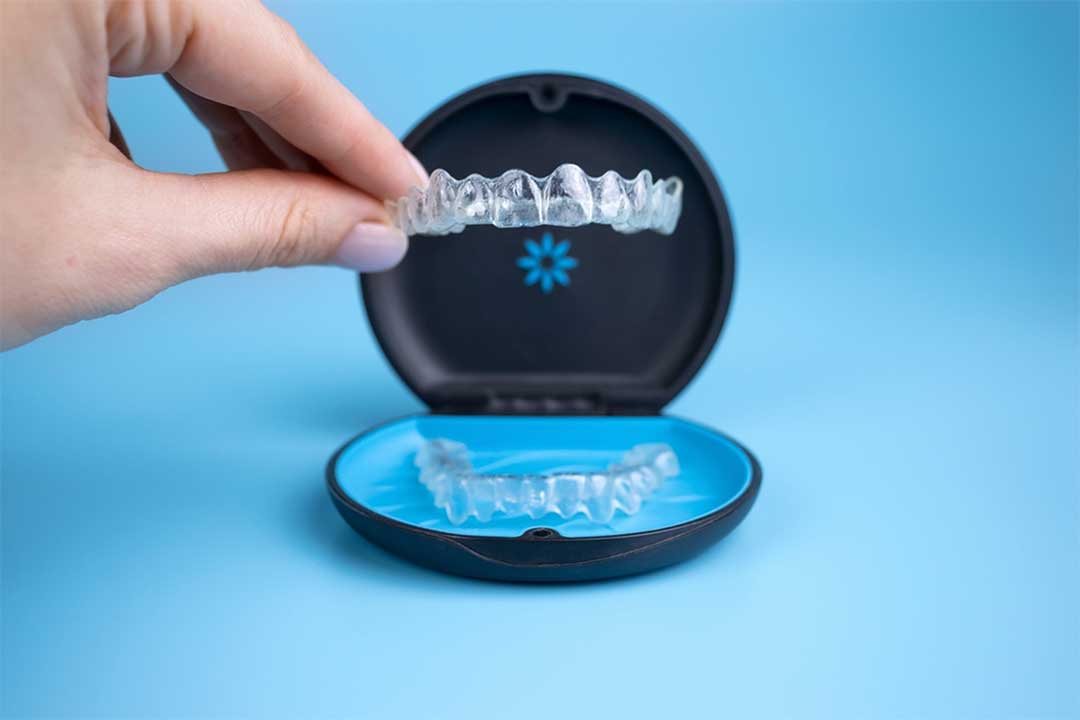
After Treatment: Retainers and Retention
Once your final aligner is complete, your teeth need time to stabilize in their new positions. Without retention, teeth have a natural tendency to drift back — this happens regardless of whether you had Invisalign or braces.
Your orthodontist will prescribe retainers. These may be:
- Removable retainers — worn nightly (or as directed) to maintain alignment
- Fixed retainers — a thin wire bonded to the back of your teeth, invisible from the front
Most patients wear removable retainers long-term, particularly at night. Think of retention as the final phase of orthodontic treatment — not optional.
Frequently Asked Questions
Treatment length varies depending on case complexity. Mild cases may take as few as six months. More comprehensive treatment typically takes 12 to 18 months. Your orthodontist will provide an estimated timeline during your consultation, based on your 3D treatment plan.
Yes. Aligners are removed before eating and drinking (except water), so there are no food restrictions. You can eat whatever you normally would — just ensure you brush before reinserting your aligners.
Most patients experience mild pressure or tightness when switching to a new aligner set, typically lasting one to two days. This is a sign the aligners are applying the planned movement. It is not the same as the discomfort associated with traditional brace tightening.
Invisalign is appropriate for teenagers and adults. It is not typically used for young children, as their teeth and jaw are still developing. Your orthodontist will advise on the right timing for treatment.
Rinse aligners under cool water every time you remove them. Clean them gently with a soft toothbrush — avoid hot water, which can distort the plastic. Dedicated aligner cleaning crystals are available and recommended for deeper cleaning.
Contact your clinic as soon as possible. Your orthodontist will advise whether to go back to the previous aligner, move forward to the next, or order a replacement. Do not go without your aligner for an extended period, as teeth may begin to shift.
Yes. Invisalign treatment is available at Drs. Nicolas & Asp Centers, carried out by our Specialist Orthodontists. We treat patients across our Jumeirah, Marina Walk, Springs Souk, and Uptown Mirdif locations.
Invisalign and all orthodontic treatment at Drs. Nicolas & Asp Centers is provided by our Specialist Orthodontists, ensuring your diagnosis, treatment planning, and results are guided by focused expertise and high clinical standards.
Orthodontic coverage varies by plan. At Drs. Nicolas & Asp Centers, we accept most major insurance cards for direct billing and handle all pre-approvals and paperwork on your behalf. We also offer flexible payment options through Tabby and 0% interest installment plans. Visit our Insurance & Payment Options page for details.
Straightening your teeth is a long-term investment in your health and confidence. At Drs. Nicolas & Asp Centers, our Specialist Orthodontists take time to map out a treatment plan that fits your clinical needs and lifestyle.
Book your Invisalign consultation or call us on 04 394 7777. We welcome patients at our four Dubai locations: Jumeirah, Marina Walk, Springs Souk, and Uptown Mirdif.