
Some habits are part of normal childhood development. Others, if left unchecked, can quietly reshape how your child's teeth and jaws grow — in ways that may require orthodontic treatment down the line.
The good news: most habits are manageable when caught early. Knowing what to look for is the first step.
Why Oral Habits Matter in Childhood
A child's jaw and teeth are in constant development from infancy through the early teenage years. During this window, repeated pressure — from a thumb, a tongue, or even chronic mouth breathing — can alter the direction teeth erupt, affect jaw growth, and influence bite alignment.
The earlier a habit is addressed, the easier it is to redirect without intervention. That's why regular visits with a Specialist Pediatric Dentist play such an important role in catching these patterns early.
Thumbsucking and Pacifier Use
Thumbsucking is one of the most common oral habits in young children and is generally considered normal up to around age 3. The problem arises when the habit continues beyond the age when permanent teeth begin to emerge — typically around age 6.
Persistent thumbsucking or prolonged pacifier use can lead to:
- An open bite (a gap between the upper and lower front teeth when the mouth is closed)
- Flared or protruding upper front teeth
- Narrowing of the upper jaw (palate)
- Changes in how the upper and lower teeth meet (the bite, or occlusion)
The intensity of the habit matters as much as the duration. Passive resting of the thumb in the mouth causes less displacement than active, vigorous sucking.
If your child is still thumbsucking past age 4 to 5, raise it at their next dental visit. A Specialist Pediatric Dentist can assess whether any structural changes are developing and advise on gentle habit-breaking strategies appropriate for your child's age.
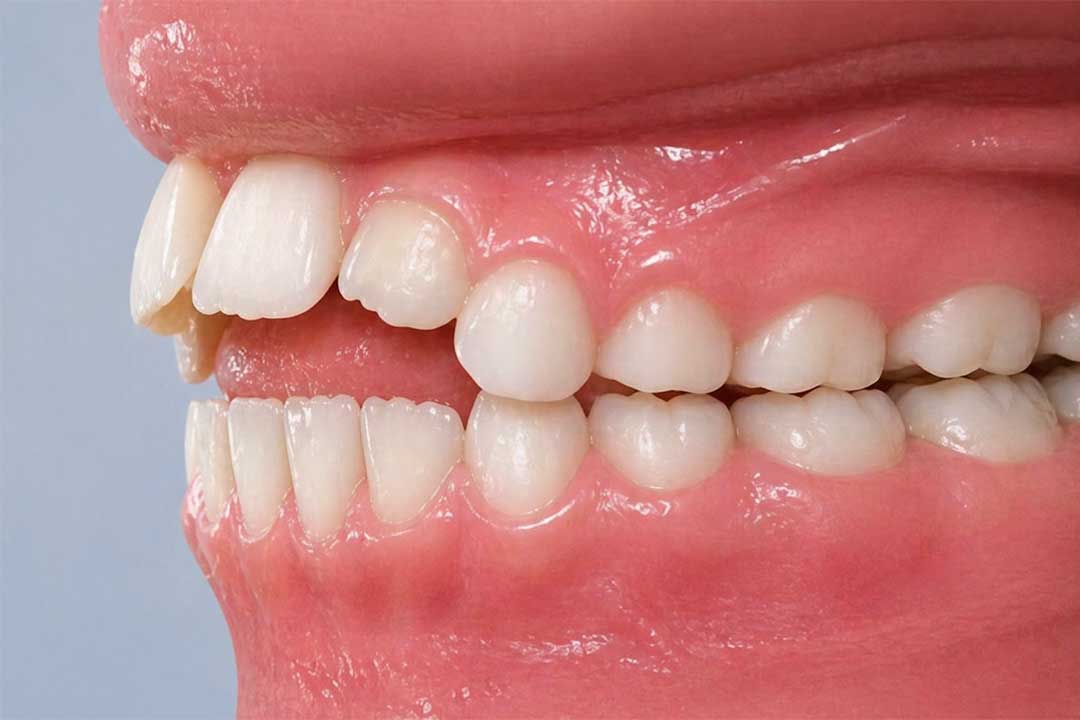
Thumbsucking is normal in early childhood, but if it continues beyond age 4–5, it can affect how the teeth and bite develop — early assessment helps prevent long-term changes.
Tongue Thrusting
Tongue thrusting refers to a swallowing pattern where the tongue pushes forward against or between the teeth, rather than resting against the roof of the mouth. It can also occur at rest.
Most infants thrust their tongue when swallowing — this is entirely normal. The habit becomes a concern when it persists into later childhood, as the constant forward pressure can cause:
- An open bite at the front teeth
- Protrusion of the upper or lower front teeth
- Speech difficulties, particularly with sounds like "s" and "z"
- Interference with normal jaw development
Tongue thrusting is not always obvious — many parents are unaware it's happening. It's often identified during a routine dental examination or when parents notice persistent gaps between the front teeth that don't close naturally.
When caught early, tongue thrusting can be addressed through targeted exercises and, in some cases, guidance from a speech therapist working alongside the dental team.
Mouth Breathing
Children are natural nose breathers. When a child habitually breathes through their mouth — whether due to enlarged adenoids, nasal congestion, allergies, or structural factors — it can have significant downstream effects on oral development.
Chronic mouth breathing has been linked to:
- A long, narrow facial structure over time
- Narrowing of the dental arches
- Crowded or misaligned teeth
- A higher palate
- Dry mouth, which increases the risk of cavities and gum problems
Unlike thumbsucking, mouth breathing isn't always a behavioral habit — it can have an underlying medical cause. If you notice your child consistently breathing through their mouth, sleeping with their mouth open, or snoring regularly, it's worth raising with both their dentist and pediatrician.
See also
Mouth Breathing in Children: Causes, Complications & Cure
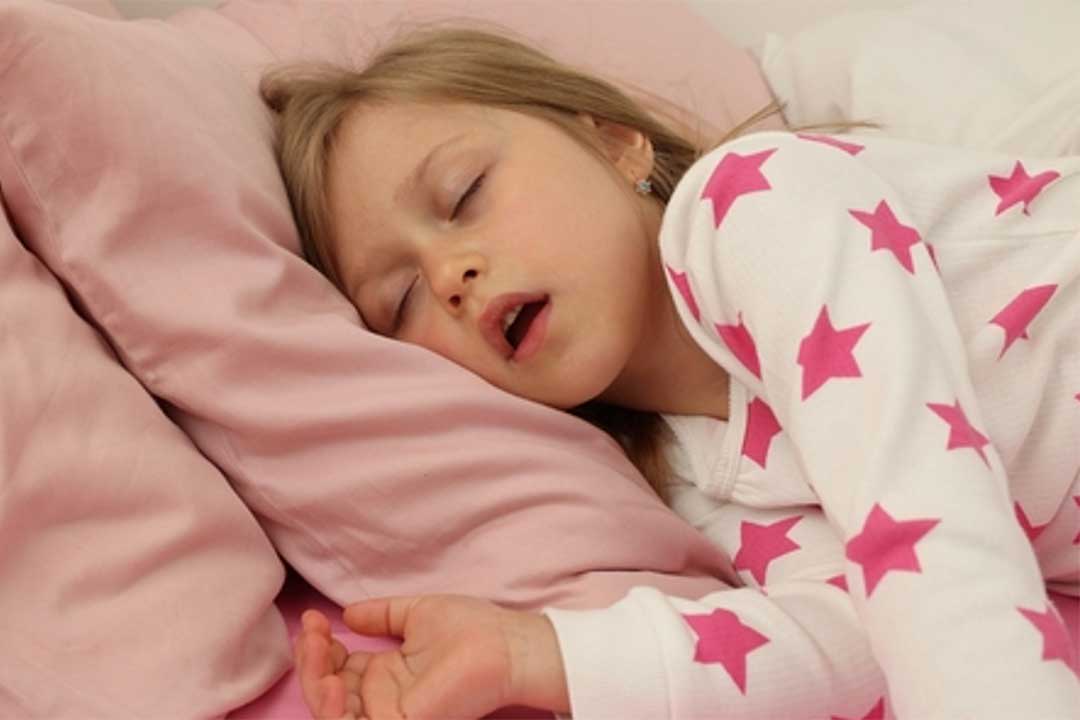
Children are natural nose breathers — when mouth breathing becomes a habit, it can influence facial growth, bite development, and long-term oral health.
Nail Biting and Chewing on Objects
Nail biting is extremely common in school-age children and is often linked to stress or boredom. From a dental perspective, it places repetitive lateral pressure on the teeth and can cause:
- Chipping or wearing down of the front teeth
- Jaw discomfort, particularly in children who are already prone to clenching
- Increased exposure to bacteria from the fingers
A similar concern applies to children who habitually chew on pencils, pen caps, straws, or clothing. The consistent force applied to specific teeth can cause gradual shifts in position over time.
These habits are usually addressed through behavioral strategies — identifying triggers, substitution techniques, and encouragement. A dental assessment is helpful to determine whether any tooth wear or shifting has already occurred.
Teeth Grinding (Bruxism) in Children
Many parents are surprised to learn that teeth grinding, or bruxism, is relatively common in children — particularly during sleep. It's often most noticeable when parents hear a grinding sound at night.
In younger children, bruxism frequently resolves on its own. However, if it persists, it can lead to:
- Worn or flattened tooth surfaces
- Tooth sensitivity
- Jaw muscle soreness or headaches on waking
- Disrupted sleep
The causes in children are not fully understood, but stress, misaligned teeth, and airway issues are among the factors that have been associated with childhood bruxism.
If you've noticed grinding sounds, or your child is waking with a sore jaw, a Specialist Pediatric Dentist can assess the level of wear and advise on next steps. In most cases, the focus is on monitoring, managing any underlying triggers, and protecting the teeth where necessary.
When to See a Specialist
Not every habit requires immediate intervention — but some warrant earlier attention than others. Consider booking a review with a Specialist Pediatric Dentist if:
- Your child is still thumbsucking or using a pacifier past age 4
- You notice a visible gap between the front teeth that doesn't close naturally
- Your child consistently breathes through their mouth, particularly at night
- You hear regular grinding during sleep, or your child wakes with jaw pain
- Your child's teeth appear to be shifting, crowding, or wearing unevenly
Early assessment allows the dental team to determine whether a habit is causing structural change and, if so, to act before permanent teeth are affected.
At Drs. Nicolas & Asp Centers, children are seen by Specialist Pediatric Dentists across all four of our Dubai branches — in Jumeirah, Dubai Marina, The Springs, and Uptown Mirdif — to ensure expert care at every visit.
Book a pediatric dental assessment or call us on 04 394 7777.
Frequently Asked Questions
Most children naturally stop thumbsucking between ages 2 and 4. If the habit continues past age 4 to 5 — particularly with intensity — it's worth raising with a Specialist Pediatric Dentist. Structural changes are most concerning when the habit overlaps with the eruption of permanent teeth, which typically begins around age 6.
In many cases, the effects of early oral habits are reversible, especially if addressed before the permanent teeth fully erupt. However, habits that persist into the mixed or permanent dentition phase can cause changes that require orthodontic treatment to correct. Early assessment is the most reliable way to determine how much, if any, intervention is needed.
It can be both. Tongue thrusting affects how teeth align and how the jaws develop, making it a dental concern. It can also affect certain speech sounds, making collaboration between the dental team and a speech therapist beneficial in some cases. A Specialist Pediatric Dentist is the right first point of contact for assessment.
Not always. Bruxism is common in children and frequently resolves without intervention, particularly in younger children with primary teeth. A dental assessment helps determine whether grinding is causing wear that needs to be monitored or managed, and whether any contributing factors — such as airway issues or bite problems — should be investigated further.
Yes. Our Specialist Pediatric Dentists assess oral habits as part of routine and dedicated pediatric visits at all four of our Dubai branches. If you've noticed a habit that concerns you, an early assessment is the most straightforward way to understand whether it needs to be addressed.
At Drs. Nicolas & Asp Centers, all children are seen by Specialist Pediatric Dentists. If an oral habit has created a bite issue or alignment concern, our pediatric team works alongside our Specialist Orthodontists where needed.
Coverage varies depending on your plan and the treatment required. At Drs. Nicolas & Asp Centers, we accept most major insurance cards for direct billing and handle all pre-approvals and paperwork on your behalf. For full details, visit our Insurance & Payment Options page.
Recommended Readings
Why, When, and How to Wean Your Child from the Pacifier
Enlarged Adenoids & Mouth Breathing in Children
Why Does My Child’s Permanent Tooth Come in Discolored?
When Should Children Brush Their Teeth on Their Own?
- American Academy of Pediatric Dentistry. "Management of the Developing Dentition and Occlusion in Pediatric Dentistry." The Reference Manual of Pediatric Dentistry. Chicago, IL: American Academy of Pediatric Dentistry; 2025:497–515. aapd.org
- Katib, Hattan S., et al. "Influence of Oral Habits on Pediatric Malocclusion: Etiology and Preventive Approaches." Cureus, vol. 16, no. 11, 2024. pmc.ncbi.nlm.nih.gov
- Grippaudo, Cristina, et al. "Association between Oral Habits, Mouth Breathing and Malocclusion." Acta Otorhinolaryngologica Italica, vol. 36, no. 5, 2016, pp. 386–394. pmc.ncbi.nlm.nih.gov
- American Academy of Sleep Medicine. "Bruxism." Sleep Education, 2023. sleepeducation.org