Book an Appointment
New Patient
Existing Patient
Full Name *
Mobile *
+971
Search
    Email *
    Treatment *
    Other treatment? Please specify. *
    Preferred Date
    Preferred Time
    Preferred Center *
    Upload your Insurance & Emirates ID (optional)
    Browse Files No file chosen
    Insurance Details & Notes
    utm_source
    utm_medium
    utm_campaign
    utm_id
    Referrer URL
    Send an Enquiry
    Full Name *
    Mobile *
    +971
    Search
      Email *
      Enquiry Type *
      Document Type *
      EID Front *
      Browse Files No file chosen
      EID Back *
      Browse Files No file chosen
      Insurance Front *
      Browse Files No file chosen
      Insurance Back *
      Browse Files No file chosen
      Passport *
      Browse Files No file chosen
      Document to request *
      Center *
      Enquiry *
      Referrer URL
      utm_source
      utm_medium
      utm_campaign
      utm_id
      Treatment of Oral Pathologies in Dubai

      Treatment of Oral Pathologies in Dubai

      Changes inside the mouth are not always just "a sore" or "a lump." Some oral pathologies are harmless and resolve on their own. Others need proper investigation before treatment begins.

      At Drs. Nicolas & Asp Centers, our Specialist Oral Surgeons diagnose and surgically manage abnormal tissue in the mouth and jaws — including cysts, benign tumors, and suspicious lesions — using clinical examination, imaging, biopsy, and surgical removal where indicated.

      Conditions This Covers


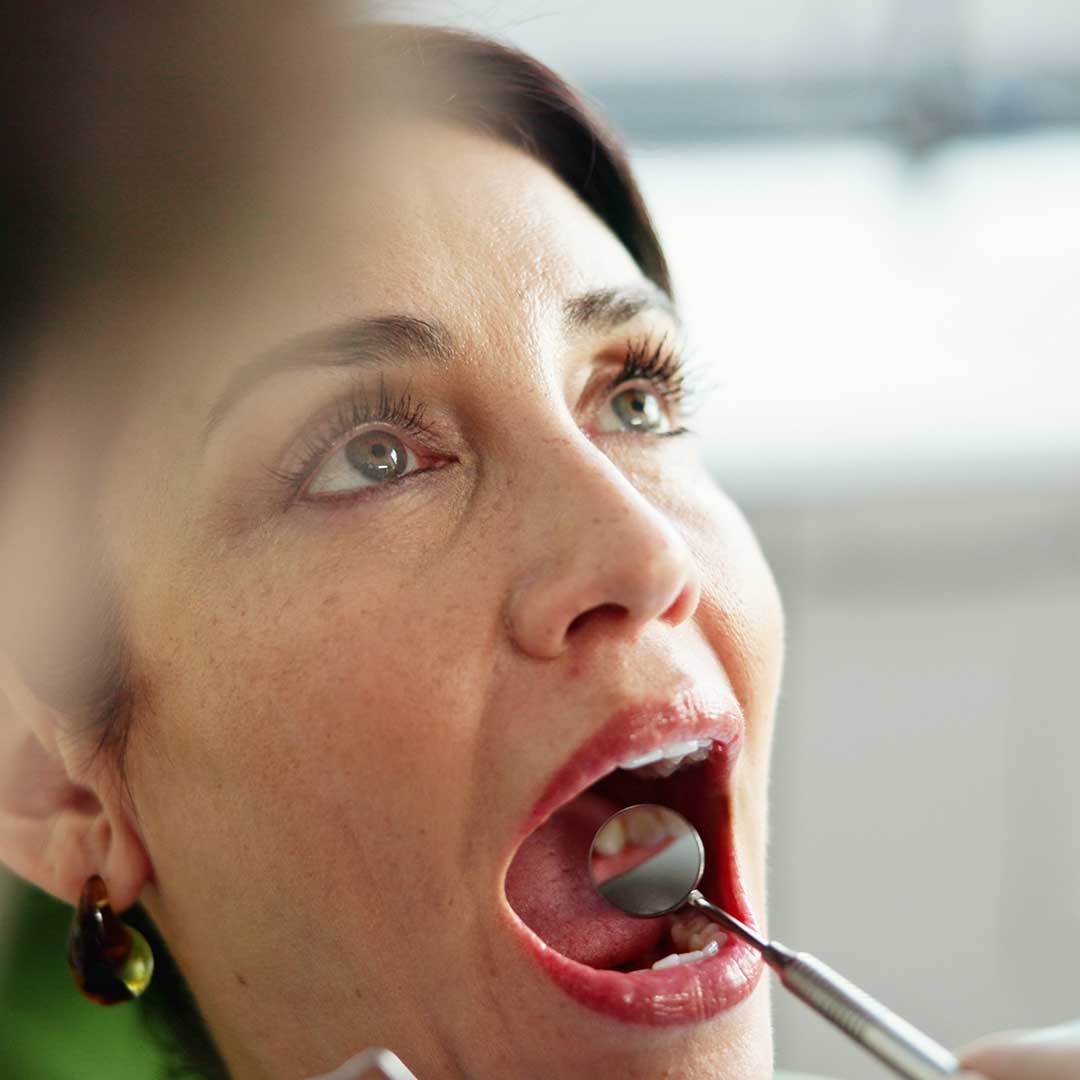
      Treatment of oral pathologies may be recommended for abnormal growths or tissue changes affecting the mouth, gums, cheeks, tongue, lips, palate, or jawbone.

      This can include:

      Some lesions are diagnosed clinically. Others need imaging or a biopsy, a small tissue sample examined under a microscope, to confirm the cause and reach the correct diagnosis.

      Treatment of Oral Pathologies
      Treatment of Oral Pathologies

      Signs That Need Assessment


      An oral pathology assessment may be advised if you have:

      Not every lesion is serious. However, a mouth lesion that persists, changes, or looks unusual should not be ignored. Persistent abnormal areas often need further assessment, and biopsy is a standard tool for clarifying the diagnosis when needed.

      Treatment of Oral Pathologies

      Diagnosis of Oral Lesions


      The first step is understanding exactly what the lesion is.

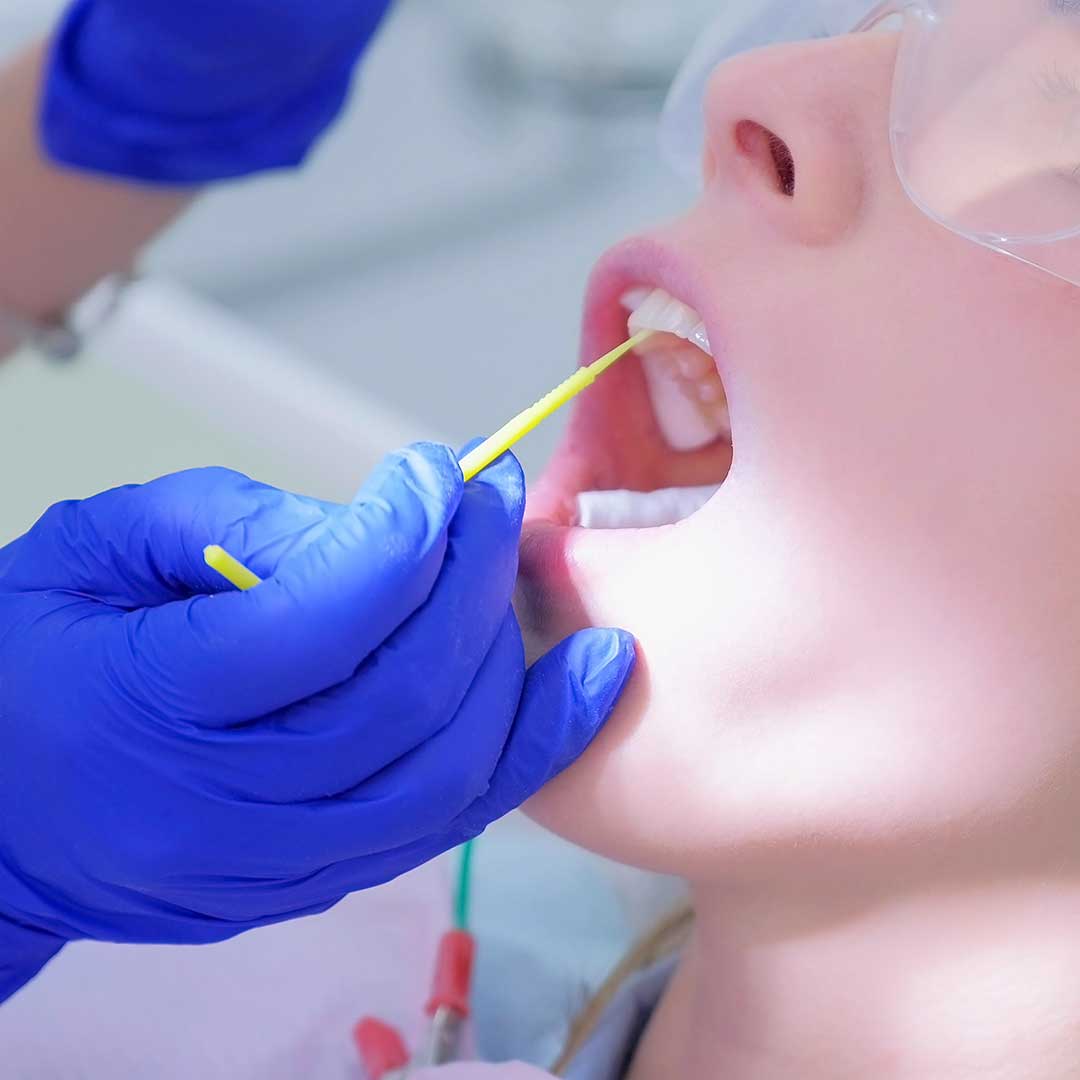
      Assessment usually begins with a detailed examination of the mouth and a review of your symptoms, medical history, and how long the area has been present.

      Depending on the case, diagnosis may include:

      A biopsy may remove a small part of the lesion or, in some cases, the entire lesion if it is small and suitably positioned. The sample is then examined by a pathologist under a microscope.

      Treatment of Oral Pathologies

      Treatment Options Used


      Treatment depends on the type of pathology, its location, its size, and whether it involves soft tissue, bone, or surrounding structures. Your treatment plan may include:

      • Surgical Removal of the Lesion

        Removing the abnormal tissue when it is appropriate to do so safely and completely. This may be recommended for certain cysts, benign tumors, or localized lesions.

      • Oral Biopsy

        If the diagnosis is not yet clear, a biopsy may be carried out first. This helps determine the nature of the lesion before any wider treatment is planned.

      • Removal of Jaw Cysts or Intra-Bony Lesions

        Some oral pathologies develop within the jaw and may only be visible on X-rays or scans. These may require surgical treatment to prevent further expansion or damage to nearby teeth and bone.

      • Monitoring and Review

        Not every lesion needs immediate surgery. Some areas may first be monitored, reviewed, or investigated further before treatment is recommended.

      What Treatment Involves


      Treatment is planned according to the individual case.

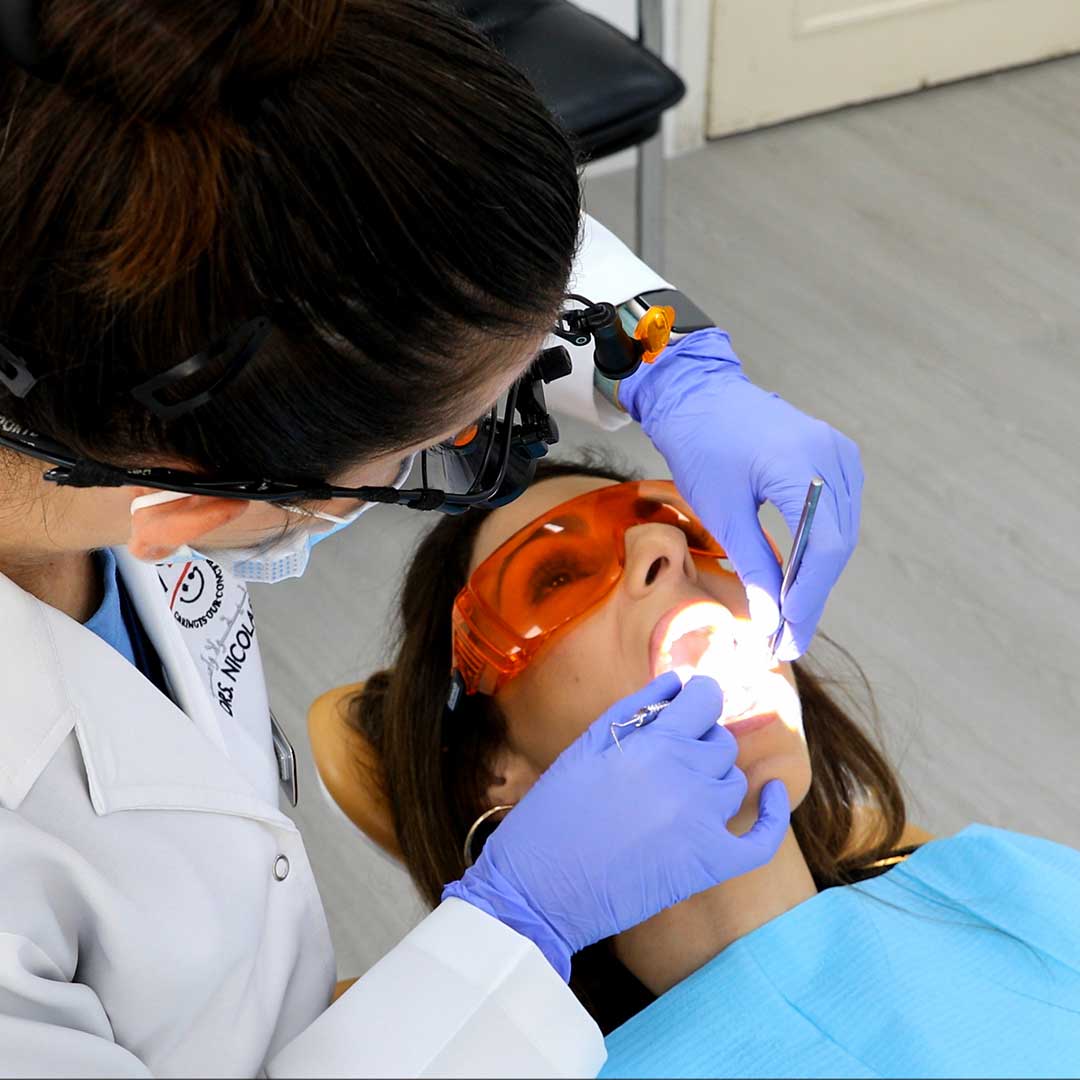
      In many cases, oral pathology procedures can be carried out under local anesthetic — the area is numb while you remain awake. For more complex cases, your Specialist Oral Surgeon will advise the most appropriate setting and anesthetic approach.

      In general, treatment may involve:

      The goal is to reach a clear diagnosis, treat the problem appropriately, and make sure healing is progressing as expected.

      Treatment of Oral Pathologies

      Recovery After Treatment


      Recovery depends on the size and location of the lesion and the type of procedure performed.

      Most patients can expect some mild soreness, swelling, or tenderness for a few days after treatment. You will be given clear aftercare instructions covering eating, cleaning the area, medication, and follow-up.

      Biopsy results are not immediate — the tissue sample must be examined in the laboratory first, which takes time. Your oral surgeon will advise on the expected timeframe and follow up with you once results are available.


      Frequently Asked Questions

      It is the diagnosis and treatment of abnormal tissue in the mouth or jaws. This may include cysts, benign tumors, persistent lesions, or suspicious areas that need biopsy or surgical removal.

      No. Some lesions can be monitored, while others need biopsy or surgical treatment. The decision depends on how the lesion looks, how long it has been present, whether it is changing, and what imaging or examination shows.

      An oral biopsy is a small procedure in which a sample of tissue is removed from the mouth and sent to a laboratory for microscopic examination. It helps confirm what the lesion is and guides the next step in treatment.

      Most procedures are carried out with the area fully numbed using local anesthetic. After treatment, some soreness or swelling is common, but this is usually manageable with the aftercare advice and medication provided.

      Any lesion, patch, swelling, or sore that does not heal, keeps recurring, or appears unusual should be assessed. Persistent oral lesions often need professional evaluation, and some require biopsy to confirm the diagnosis.

      Yes. Drs. Nicolas & Asp Centers assesses and treats selected oral pathologies, including lesions that may require biopsy or surgical removal, depending on the clinical findings and the nature of the case.

      This usually depends on the type and location of the lesion. Cases involving surgical removal or biopsy are typically assessed by a Specialist Oral Surgeon.

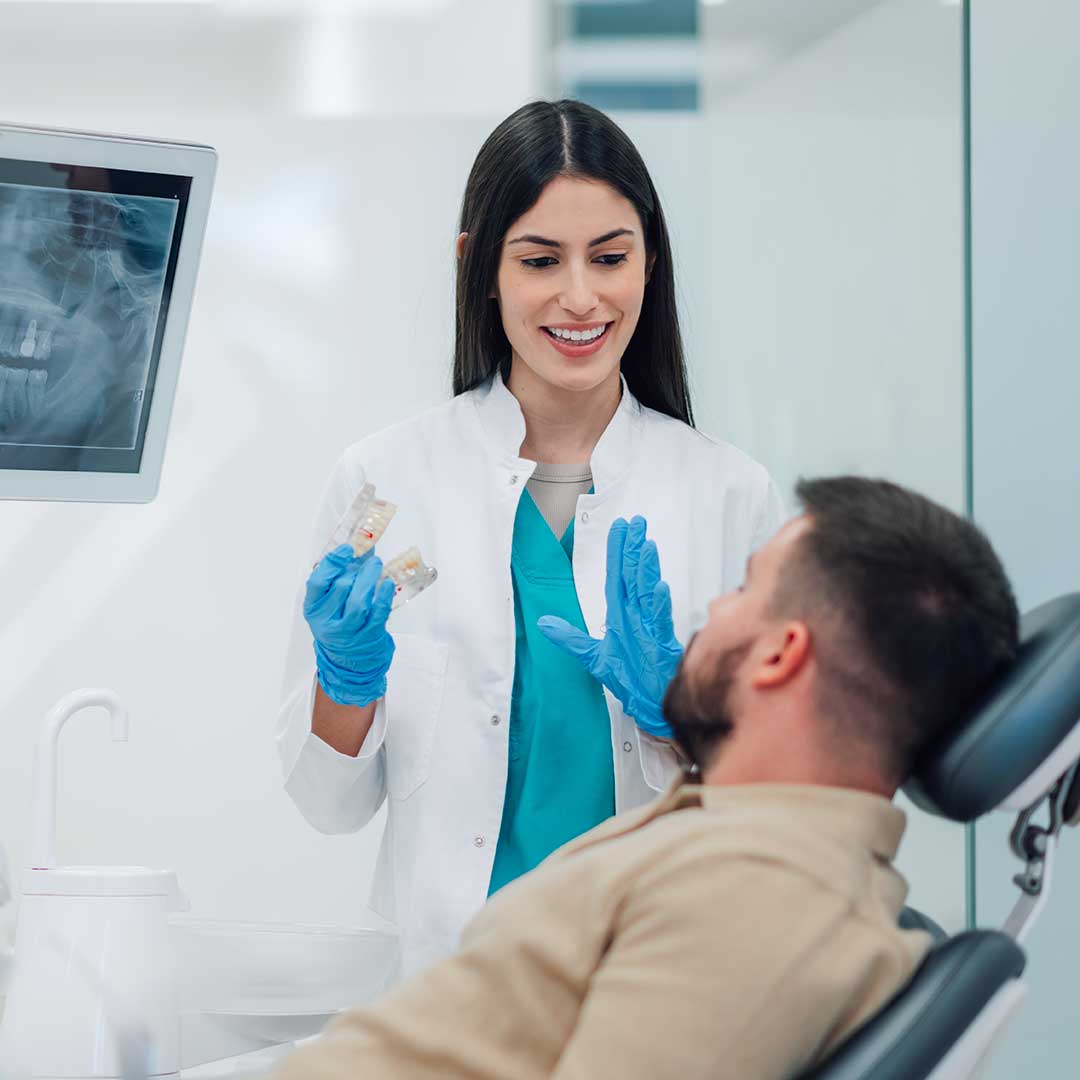
      Yes. If you have been told you have an oral lesion or abnormal tissue that needs treatment, a second opinion is always a reasonable step — particularly before any surgical procedure. At Drs. Nicolas & Asp Centers, second opinion consultations are available — bring any existing imaging, biopsy results, or treatment plans and your Specialist Oral Surgeon will review the findings and give you an independent assessment. To arrange yours, book an appointment.

      Coverage depends on your insurance policy and the procedure being performed. Drs. Nicolas & Asp Centers accepts most major insurance cards for direct billing of approved services and handles all pre-approvals and paperwork on your behalf, with support for reimbursement documentation where needed. See our insurance and payment options for details.