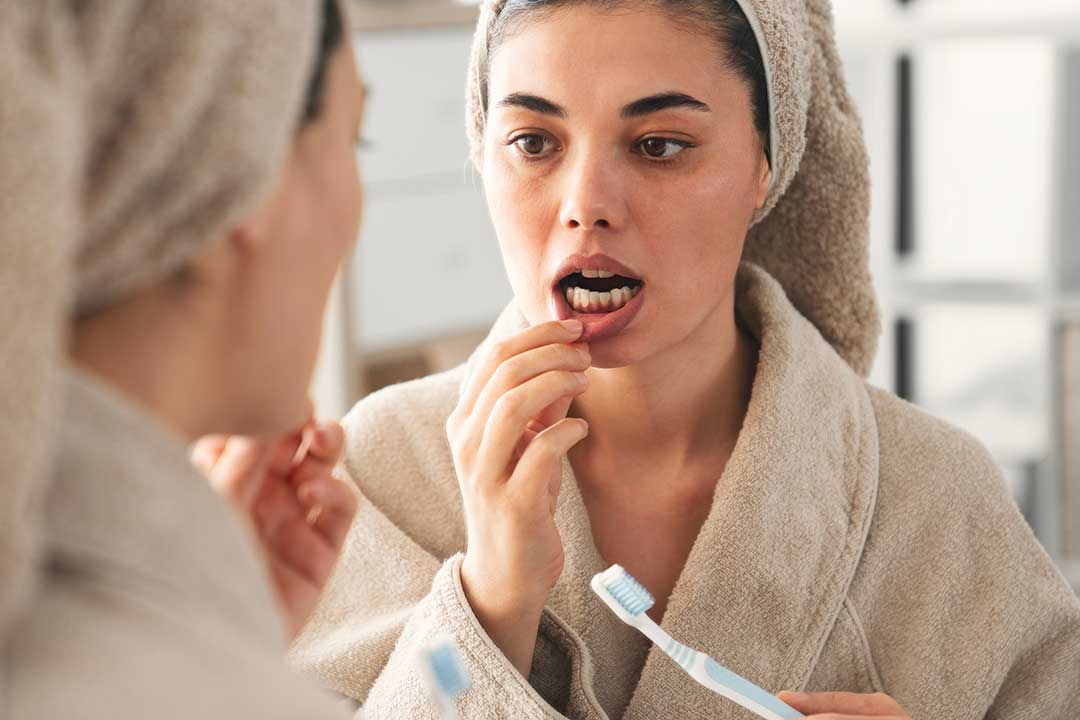
If you’re observing Ramadan, your daily routine naturally shifts, from when you eat and drink to how you sleep and hydrate. These changes can also affect your oral health.
During fasting hours, saliva flow decreases. Saliva is essential because it helps wash away food particles, neutralise acids, and control bacterial growth. When saliva is reduced, the mouth becomes drier, plaque can accumulate more easily, and breath changes may become more noticeable.
With a few mindful adjustments, you can maintain healthy teeth and gums throughout the month.
Why Dry Mouth Matters
A dry mouth isn’t just uncomfortable. It also creates an environment where bacteria thrive more easily. This can increase the risk of:
Because hydration is limited during the day, oral care during non-fasting hours becomes especially important.
Brush at the Right Times
Brushing twice daily remains essential during Ramadan — but timing makes a difference.
Recommended routine:
Use a soft-bristled toothbrush and a small amount of fluoride toothpaste to protect your enamel and support gum health.
Floss Daily — Especially After Iftar
Ramadan meals often include dates, sweets, and richer dishes. While completely avoiding these foods isn’t realistic (or necessary), food can become trapped more easily between teeth. Flossing once daily, ideally after Iftar, helps remove plaque from areas your toothbrush cannot reach and reduces the risk of gum irritation.
Be Mindful of Dehydrating Foods & Drinks
Between Iftar and Suhoor, your goal should be rehydration. It is helpful to know that some food and drinks can increase thirst or contribute to dehydration the following day:
Caffeinated Drinks
Coffee, strong tea, energy drinks, and some soft drinks contain caffeine, which has a mild diuretic effect and may contribute to fluid loss — particularly if consumed in large amounts.
Very Salty Foods
Processed meats, salted nuts, pickles, and packaged snacks can increase thirst and worsen dryness during fasting hours.
Sugary Desserts
Traditional Ramadan sweets are often sticky and high in sugar. Frequent sugar exposure increases the risk of decay — especially when saliva is reduced.
If you enjoy sweets, have them with your main meal rather than as repeated snacks, rinse with water afterward, and brush before sleeping. It’s the frequency of sugar exposure — not just the amount — that increases cavity risk.
Stay Hydrated
To support saliva production and oral balance:
Proper hydration benefits both oral and overall health.
Tongue Cleaning Helps
Much of what people describe as “fasting breath” is related to natural metabolic changes and dry mouth. However, bacteria on the tongue can intensify odor. Gently cleaning your tongue during brushing can help improve freshness.
Professional Cleaning During Ramadan
Even with excellent home care, plaque can harden into tartar, which cannot be removed by brushing alone. A professional hygiene session during Ramadan — or shortly after it ends — can help keep your gums healthy and plaque levels under control.
Most contemporary scholarly guidance states that dental treatment, including professional cleaning, does not invalidate the fast, provided nothing is intentionally swallowed.
At Drs. Nicolas & Asp Centers, hygiene treatments are performed using Guided Biofilm Therapy (GBT). This method removes biofilm in a gentle and minimally invasive way, which many patients find comfortable — particularly during fasting hours.
A Balanced Approach
Ramadan is a month of discipline and reflection — but oral health does not need to suffer because of fasting. With consistent brushing, daily flossing, mindful hydration, and balanced nutrition, you can protect your smile throughout the holy month.
If you would like personalised advice or a professional hygiene assessment, our dental team is here to support you across our Dubai locations.
Wishing you a healthy and comfortable Ramadan.